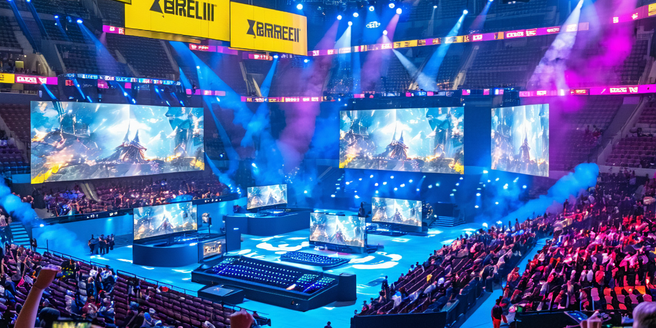
Understanding the Role of Brand Partnerships in Gaming
Brand partnerships in the gaming industry have evolved into a strategic pursuit, allowing companies to engage with a dynamic audience. Known for high engagement levels, gamers represent a lucrative demographic for brands looking to increase their reach. Through sponsorships, in-game ads, and co-branded content, businesses can tap into this interactive space, fostering authentic connections with players. These partnerships often lead to mutual benefits, as they provide game developers with additional revenue streams and marketing support, while brands gain access to a receptive audience willing to connect with in-game experiences that resonate with their lifestyle. Understanding this role helps identify potential collaborations where game and brand synergy can thrive.
How Gaming Partnerships Drive Consumer Engagement
Gaming partnerships drive consumer engagement by integrating brands organically within the interactive content. This approach fosters an immersive experience, making brand interaction a part of the gameplay rather than a disruption. Gamers, who value seamless experiences, are more likely to engage with branded elements that blend naturally with the game environment. By providing exclusive rewards, branded in-game content, or loyalty programs, these collaborations engage players by offering value that enhances the gaming experience. As a result, gamers form meaningful connections with brands, translating into increased awareness and consumer loyalty. Effective partnerships not only promote the brand but also enrich the player’s experience, creating a win-win situation.
Successful Case Studies in Gaming Collaborations
Successful gaming collaborations often feature innovative approaches that capture player interest and enhance brand presence. Notable examples include Fortnite’s partnership with major film franchises, integrating popular movie characters as playable skins, creating buzz that spans both the gaming and entertainment worlds. Another successful case is the collaboration between Nike and the NBA 2K series, offering players the chance to wear digital versions of real-world sneakers. These case studies demonstrate how strategic partnerships can elevate brand visibility while providing players with exciting new content. Such collaborations underscore the potential of gaming as a platform for brands to reach audiences through inventive, memorable integrations.
Strategies for Effective Brand Integration in Games
To achieve effective brand integration within games, it is essential to prioritize authenticity and relevance. Brands should strive to create synergies where their products or services naturally complement the gameplay. This involves deep collaboration with game developers to design experiences that are both seamless and beneficial for the player. Choosing the right game genre is critical; for instance, adventure or sports games might offer organic integration opportunities for outdoor or athletic brands. Interactive storytelling and user-centric content can also enhance the perception of the brand, doing away with intrusive advertisement and replacing it with value-driven engagement. Employing metrics to assess player feedback can further refine strategies.
Challenges and Solutions in Gaming Promotions
The dynamic nature of gaming presents unique challenges in brand promotions. One significant challenge is maintaining player trust, as intrusive or irrelevant advertising can lead to negative perceptions. To combat this, brands and developers must ensure promotions are integrated thoughtfully within the gaming ecosystem. Additionally, platform fragmentation across consoles, PCs, and mobile devices requires adaptable strategies to reach the diverse gamer audience. Solutions include targeting platforms that best align with the brand’s audience, and using data-driven insights to craft personalized offers that resonate with players. Emphasizing in-game events and limited-time offers can also capture interest without overwhelming players.
The Future of Brand Partnerships in Gaming
The future of brand partnerships in gaming looks promising, as technological advancements continue to expand possibilities. Virtual reality (VR) and augmented reality (AR) are positioning themselves as game-changers, offering new avenues for immersive brand experiences. As these technologies become more accessible, brands can create highly personalized and interactive campaigns that engage players on unprecedented levels. Additionally, as gaming communities grow, there will be more opportunities for brands to collaborate with influential gamers, leveraging their reach and credibility. However, to succeed, brands will need to remain agile, continuously adapting to technological trends and evolving player preferences to ensure their partnership strategies remain relevant and effective.
