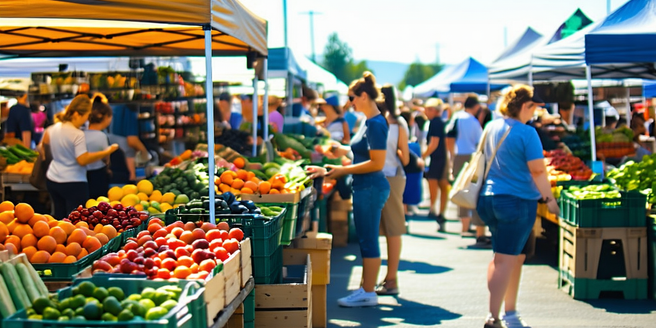
Understanding the Value of Free Samples
Free samples are a strategic tool used by brands to promote their products by allowing potential customers to try them without any initial investment. This approach lowers the barrier for consumers to engage with new and unfamiliar products, thus increasing the likelihood of purchase in the future. For brands, free samples present an opportunity to build brand recognition and trust, as users can experience the product’s benefits firsthand. Moreover, samples can act as a feedback mechanism, helping companies to refine their products based on consumer reactions. From a consumer’s perspective, free samples serve as a risk-free method to explore products and make informed purchasing decisions based on personal experience, rather than relying solely on advertisements or reviews.
Identifying Sources for High-Quality Samples
Identifying reputable sources for high-quality samples is crucial for consumers looking to explore new products without unnecessary expenditure. Start by subscribing to newsletters from trusted brands, which often notify subscribers about upcoming promotions or sample offers. Online communities and forums dedicated to deal-sourcing can also be invaluable resources for discovering less-publicized sample opportunities. Additionally, participating in product testing panels can yield high-quality samples as companies seek consumer feedback on new releases. Retailers frequently offer samples in-store as part of marketing events or new product launches, so visiting stores during such times can be beneficial. Furthermore, social media is another avenue where brands announce exclusive sample offers, so following favorite brands can lead to opportunities previously missed. Always prioritize samples from well-known and established brands to ensure product safety and authenticity.
Building Relationships with Brands and Retailers
Establishing strong connections with brands and retailers can greatly enhance access to free samples over time. Start by engaging with brands on social media by liking, commenting, and sharing their content. This interaction increases visibility and may lead to exclusive offers being extended to loyal followers. Joining brand loyalty programs is another effective strategy, as these programs often feature special promotions and free sample opportunities. Additionally, attending brand-hosted events, such as product launches or workshops, provides direct access to company representatives and potential samples. Communicating willingness to provide feedback on products is also appealing to brands seeking consumer insights. In a retail setting, building rapport with store staff can lead to insider knowledge on upcoming promotions or special sample events. Consistently maintaining these relationships fosters trust, increasing the likelihood of receiving samples in the future.
Leveraging Social Media for Sample Opportunities
Social media platforms have become vital tools for discovering and acquiring free samples. Many brands actively engage with users on platforms such as Instagram, Facebook, and Twitter, offering exclusive sample deals and contests. To capitalize on these opportunities, follow and interact with favorite brands by liking, sharing, and commenting on their posts. Brands often reward active engagement with special promotions, including sample offers. Social media groups and communities focused on deal and sample sharing are treasure troves for discovering new sample opportunities. These communities can provide the latest information on sample events, flash giveaways, or brand collaborations. Also, following influencers within specific niches can lead to additional sample offers, as influencers frequently partner with brands to promote products through giveaways. Being active and attentive on social media enhances the chances of acquiring valuable samples.
Effective Organization and Tracking of Samples
Keeping track of samples can become overwhelming as one collects multiple products. Developing an effective organizational and tracking system is key to managing samples efficiently. Start by creating a dedicated space for sample storage, allowing for easy access and preventing clutter. Use labels or categorization to sort samples by type, brand, or expiration date, ensuring that each sample is used within its optimal time frame. Implementing a digital tracking system, such as a spreadsheet or app, can help monitor sample inventory, keeping tabs on what has been tried and what remains untouched. Recording personal experiences with each sample, including likes, dislikes, and potential full-size purchase considerations, aids in making informed future purchases. Regularly reviewing and updating both physical and digital records ensures that samples are not forgotten or go unused, maximizing the benefit gained from them.
