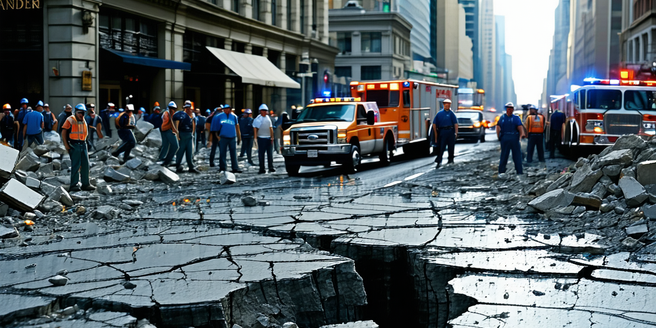
Understanding the Types of Disasters
Disasters can be broadly categorized into natural and man-made. Natural disasters include events such as earthquakes, floods, hurricanes, and wildfires. They arise from environmental factors and can cause massive destruction and loss of life. On the other hand, man-made disasters include industrial accidents, environmental contamination, and armed conflicts. Understanding these types helps in preparing specific response plans for each scenario. Preparedness involves not only recognizing the potential impact of each type but also implementing appropriate early warning systems. By understanding the factors that lead to these catastrophes, the appropriate mitigating actions can be developed, thus reducing their damaging effects. Communities play a crucial role in the initial identification and response to such events, emphasizing the need for education and awareness.
Immediate Response: What Comes First?
In the chaotic aftermath of a disaster, immediate response is crucial in saving lives and minimizing damage. The first step often involves assessing the severity of the situation and identifying immediate needs, such as food, water, shelter, and medical assistance. Search and rescue operations are launched to find those missing or trapped. It is essential to rapidly establish communication channels to coordinate efforts efficiently among responders. Prioritizing the safety of survivors and emergency personnel is critical, which may involve evacuating high-risk zones. Data collection during this phase is important for informing subsequent recovery and support operations. Immediate response also requires psychological support for those traumatized. Establishing a command center can aid in organizing resources and information swiftly, ensuring that help reaches those in need promptly.
Long-Term Recovery Strategies
Long-term recovery from disasters is a comprehensive process that extends beyond initial relief efforts. The focus shifts towards rebuilding infrastructure, restoring services, and revitalizing affected communities. Economic recovery is a key component, involving the restoration of businesses and industries that may have been impacted. Building back better is a common strategy to ensure resilience against future disasters. Mental health support plays a crucial role during this stage, as affected individuals and communities work to heal and regain stability. Governments and NGOs often collaborate to implement policies and programs that support redevelopment. Monitoring and evaluation are essential in this phase to assess the effectiveness of recovery strategies and adjust as necessary. This ongoing recovery effort requires sustainable planning and investment in resilient infrastructure, education, and community empowerment.
Community Involvement in Recovery Efforts
Community involvement is a vital element in effective disaster recovery. Locals possess a unique understanding of their community’s needs, strengths, and vulnerabilities, making them indispensable in shaping recovery efforts. Encouraging the participation of community members in rebuilding projects fosters ownership and accountability. Local leaders and organizations often coordinate volunteer efforts, facilitating resource distribution and providing support. Additionally, including diverse voices ensures that recovery strategies are inclusive, addressing the needs of all segments of the population, including marginalized groups. Public education initiatives can empower communities to take proactive measures toward resilience, such as disaster risk reduction planning and preparedness training. Valuing local knowledge and experiences not only enhances recovery outcomes but also strengthens communal bonds and resilience, leading to more sustainable recovery achievements.
Innovations in Disaster Aid Technology
Technological advancements are significantly enhancing disaster aid response and recovery. Innovations such as drones and satellite imagery provide real-time data and visuals of affected areas, facilitating efficient resource allocation and rescue operations. Mobile technology and apps are playing a vital role in communication, allowing for better coordination among responders and affected individuals. The development of portable water purification systems and renewable energy sources aids in addressing immediate needs. Artificial intelligence is increasingly being used in predictive analytics, helping to anticipate disaster patterns and improve preparedness measures. Such technologies not only enhance immediate response capabilities but also contribute to long-term recovery by improving infrastructure resilience and accelerating rebuilding processes. Driving these innovations is the commitment to improve humanitarian aid’s effectiveness, making responses faster, smarter, and more tailored to the needs of specific situations.
