1. Understanding the Legal Landscape of Sweepstakes
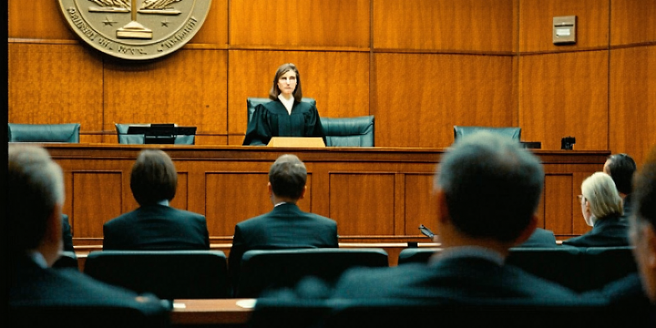
Navigating the legal considerations in sweepstakes requires a deep understanding of regional laws and regulations. Each country has unique rules that govern the execution of sweepstakes. For example, some countries require a purchase to participate, while others consider this illegal. Businesses must also be aware of advertising standards that apply to their campaigns. Given these variations, a one-size-fits-all approach is often ineffective. Marketers must ensure compliance to avoid legal repercussions. Key aspects include understanding eligibility requirements, rules for determining winners, and the transparency of the selection process. Legal advisors can provide guidance on these issues to avoid potential pitfalls and ensure a successful campaign.
2. The Role of Technology in Modern Sweepstakes
Technology has revolutionized the way sweepstakes are implemented and managed. From the use of AI in automating winner selection to leveraging data analytics for better targeting and personalization, the role of tech is critical. In addition to this, virtual reality could soon offer immersive experiences as part of the sweepstakes entry process. As technology continues to evolve, the boundaries of traditional sweepstakes methods are constantly being pushed. Social media platforms offer a powerful channel for promotion and engagement, helping to reach broader audiences. Mobile apps and online platforms enable easy participation, while blockchain technology can guarantee authenticity and fairness in winner selection, enhancing trust among participants.
3. Cultural Influences on Sweepstakes Participation
Cultural factors significantly impact how sweepstakes are perceived and engaged with. In some regions, sweepstakes are seen as a fun and informal means of winning prizes, while in others, they might be viewed with skepticism. The history of gambling and games of chance in a particular area can also affect perceptions of sweepstakes. Cultural norms and values influence participation rates, prize preferences, and methods of entry. Understanding these influences allows marketers to tailor their campaigns more effectively to appeal to the local audience, increasing the likelihood of successful engagement and participation in various cultural settings.
4. Strategies for Increasing Sweepstakes Engagement
Boosting engagement in sweepstakes involves strategizing on multiple fronts. Clear and attractive incentives are crucial in drawing attention. Personalizing communication and using social media influencers can drive more participation. Gamification elements like challenges or points can make the experience more engaging. Thoroughly understanding the target audience’s preferences and behaviors can significantly enhance these strategies. Additionally, ensuring that the entry process is straightforward can help reduce friction for participants. Partnering with well-aligned brands can amplify reach and credibility. Transparency in the process and clear communication of rules can also build trust, making participants more likely to engage.
5. Measuring the ROI of Sweepstakes Campaigns
To evaluate the success of sweepstakes, it’s essential to measure the return on investment (ROI). This involves tracking key metrics such as participant numbers, engagement levels, and conversion rates post-campaign. More importantly, establishing clear objectives from the start is crucial for a meaningful assessment. Thoroughly understanding these metrics can provide insights into consumer behavior and preferences. Analyzing data from these metrics helps determine if the sweepstakes achieved its objectives, be it increasing brand awareness, generating leads, or boosting sales. ROI measurement also informs future campaigns, allowing for adjustments and improvements based on what worked or didn’t.
6. Future Predictions for Sweepstakes Trends
Future trends in sweepstakes are expected to align closely with advancements in technology and shifts in consumer behavior. The integration of virtual reality (VR) and augmented reality (AR) can create immersive experiences, drawing more participants. As these technologies become more widespread, businesses will need to stay ahead of the curve to maintain a competitive edge. Increasing emphasis on sustainability could influence the nature of prizes and execution practices. With data privacy becoming a focus, transparent data usage will be crucial. Predictive analytics will play a key role in tailoring offerings to individual preferences and enhancing engagement.
