Understanding Landscaping Competition Criteria
To excel in landscaping competitions, understanding the judging criteria is crucial. Competitors should familiarize themselves with the specific guidelines set by organizers to align their designs with expectations. Usually, criteria involve aesthetic appeal, innovation, sustainability, and practical use of space. Accuracy in theme interpretation and attention to detail are critical points judges focus on. Utilizing unique elements and displaying skills in integrating various components can enhance one’s score. Stay updated on trends and incorporate them subtly within the designed landscape. Judges value creativity but expect designs to be feasible and efficiently executed. Understanding these aspects will allow participants to strategize more effectively and present projects that resonate well with the judging panel.
Designing with Creativity and Originality
Creativity and originality set top competitors apart in landscaping contests. Judges are impressed by unique, thoughtful designs that push creative boundaries while still being functional. Participants should confidently experiment with colors, textures, and unconventional plants or features that distinguish their work. Drawing inspiration from art, nature, or architecture can infuse originality into designs, creating an unforgettable visual experience. However, remember that while creativity is encouraged, it should not compromise the design’s practicality or coherence. Original designs often tell a story or evoke emotions, engaging the viewer. Balancing innovation with the competition’s theme and constraints will demonstrate a designer’s ability to think outside the box and implement ideas in real-world scenarios successfully.
Mastering Plant Selection and Placement
Plant selection and placement are pivotal in creating award-winning landscapes. Successful competitors choose plants that complement each other in color, texture, and growth patterns. The arrangement should enhance the overall theme while meeting environmental conditions like soil and light availability. Seasonality is key; selecting a mix of perennials and annuals ensures continuous visual interest. Placing taller plants as focal points and graduating to shorter ones creates depth and perspective in the space. Consider incorporating native and adaptive plants which thrive with minimal maintenance. Proper plant placement maximizes aesthetic appeal and the longevity of the landscape, showcasing horticultural expertise and thoughtful design strategy that impresses judges.
Harnessing Hardscape for Visual Impact
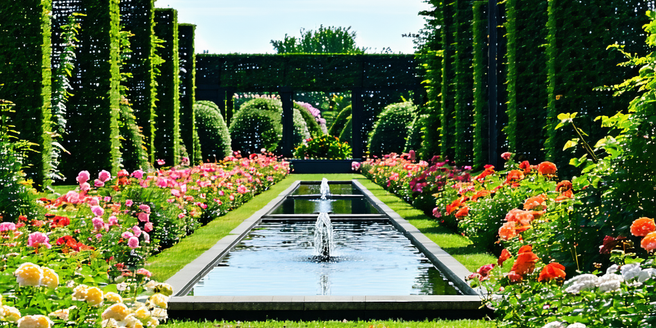
Hardscaping offers structure and contrast against the organic elements in a landscape design and can leave a lasting impression on competition judges. Effective use of hardscape elements like pathways, walls, or water features enhances the design by providing visual anchors and functional features. Carefully selected materials should harmonize with surrounding plant life, subtly emphasizing the overall concept. Textures and colors in hardscape materials can become an artistic statement, reflecting creativity and reinforcing the theme. Strategic placement and proportionate use help in guiding viewer’s eye across the landscape. Ensuring that these elements are not only visually appealing but also structurally sound demonstrates a comprehensive understanding of design principles, providing a competitive edge.
Incorporating Sustainable Practices
Incorporating sustainable practices into landscape design is increasingly crucial in competitions, as environmental consciousness becomes a top priority. Designs should focus on reducing resource consumption through efficient irrigation systems, drought-resistant plant selections, and eco-friendly materials. Implementing rain gardens or bioswales for natural water management can enhance sustainability. Mulching and composting on-site reduce waste and improve soil health. Using recycled materials for hardscape features not just conserves resources but also adds unique elements to the design. Sustainability can serve as both a practical approach and a creative challenge, allowing designers to innovate within environmentally friendly boundaries. Demonstrating such commitment not only appeals to eco-conscious judges but also showcases the designer’s responsibility towards nature.
Preparing a Standout Presentation
A quality presentation can greatly influence the judges’ perception of a landscape design. Visual elements like detailed maps, high-quality photographs, and conceptual sketches vividly convey the project’s potential. Clear, concise explanations of design choices, including plant and material selection and how they meet the competition criteria, are essential. Utilizing digital software to create 3D renderings or virtual tours can effectively showcase the design’s impact. Moreover, arranging an organized, engaging display that highlights key features can capture judges’ attention. Preparing a well-rehearsed pitch articulates vision, passion, and understanding of the project, crafting a narrative that resonates with judges. Such comprehensive representation not only complements the physical design but also underscores professionalism and thorough preparation.
