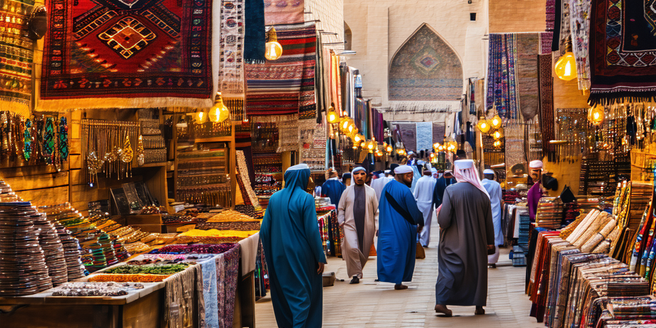
Understanding the Influence of Cultural Norms on Giveaways
Cultural norms significantly influence consumer behavior, and giveaways are no exception. Society’s values, traditions, and behavioral expectations impact how people perceive free offers. In some cultures, accepting giveaways is seen as a positive gesture symbolizing hospitality, while in others, it might be viewed with suspicion, suggesting strings attached. Understanding these cultural nuances is essential for businesses to design effective promotional strategies. For instance, in collectivist cultures, group-centric gifts that foster community interaction might be more appealing. Meanwhile, individualistic societies may prefer personalized giveaways that emphasize personal benefits. By aligning giveaways with cultural expectations, businesses can enhance their appeal and increase consumer engagement. Awareness of these cultural distinctions can lead to more successful marketing efforts.
Regional Variations in Gift Preferences
Gift preferences can vary markedly across different regions due to cultural, economic, and lifestyle differences. For instance, tech gadgets might be popular giveaways in urbanized regions with a technical-savvy population, while handmade crafts could hold more appeal in areas that value tradition and artistry. Additionally, socio-economic factors play a crucial role; high-income areas may lean towards luxury gifts, whereas practical items could be more effective in regions with budget-conscious consumers. This regional diversity means businesses must conduct thorough research to understand local preferences before launching giveaways. Tailoring giveaways to fit the regional taste not only increases participation rates but also cultivates a sense of relatability and appreciation among the target audience. It’s about striking the right balance and recognizing the unique attributes of each region.
How Traditional Values Shape Giveaway Choices
Traditional values remain a pillar in shaping consumer attitudes towards giveaways. These deeply rooted cultural elements often dictate what is considered appropriate or desirable as a gift. For instance, in societies where family values are paramount, giveaways that promote family interaction might be favored over individual-centric gifts. Similarly, cultures with a strong emphasis on sustainability may show preference for eco-friendly giveaways. Understanding these traditional values allows businesses to make informed decisions about the types of gifts to offer. By aligning the choice of giveaway with the traditional sentiments of the target population, businesses can create a positive emotional resonance, which not only boosts participation but also fosters brand loyalty. Navigating through these traditional intricacies requires sensitivity and a keen understanding of cultural heritage.
The Impact of Holidays and Festivals on Giveaways
Holidays and festivals represent significant opportunities for businesses to engage consumers through giveaways. During these times, cultural themes are magnified, and consumers are more inclined to participate in gift-giving and receiving due to heightened sentiments of joy and generosity. However, the type of giveaway that resonates can differ dramatically depending on the cultural significance of the holiday. For instance, festive giveaways during Christmas may include items associated with winter traditions, while giveaways linked to Diwali might center around lights and color. Recognizing the cultural and emotional context of these celebrations is critical to optimizing engagement. By aligning giveaways with the specific themes and traditions of holidays, businesses can tap into heightened consumer enthusiasm, thereby enhancing participation and creating memorable brand experiences.
Comparing Digital and Physical Giveaway Trends Globally
As technology continues to evolve, the trend towards digital giveaways is gaining momentum worldwide, yet this shift varies across regions. In countries with advanced digital infrastructure, such as South Korea and Scandinavian nations, digital giveaways, including e-vouchers and online subscriptions, have become mainstream. Meanwhile, in regions where physical interaction or tangible goods hold cultural significance, traditional giveaways like promotional merchandise or gift baskets remain popular. This dichotomy presents businesses with a strategic decision: to choose the format that resonates best with their audience. Understanding local trends, internet penetration rates, and consumer preferences are crucial for tailoring giveaways. Transitioning to digital formats where it aligns with consumer trends can offer cost savings and convenience, while physical giveaways can foster a tactile sense of appreciation that digital ones might lack.
Strategies for Businesses to Navigate Cultural Preferences
Navigating cultural preferences in giveaways requires businesses to be adaptable and culturally aware. Firstly, conducting market research to understand local customs, traditions, and consumer behavior is imperative. Engaging with local cultural experts or employing native insights can provide invaluable guidance. Tailoring giveaway items to align with cultural sentiments not only enhances attractiveness but also demonstrates respect and understanding. Another strategy is to use culturally relevant themes in promotional campaigns, which resonate more deeply with consumers. Collaboration with local influencers who understand the nuances of the culture can effectively bridge cultural divides. Lastly, feedback mechanisms can offer insights into consumer preferences and areas for improvement. By approaching giveaways with cultural sensitivity and strategic insight, businesses can craft campaigns that are not only inclusive and respectful but also drive strong consumer engagement.
