Exploring the Diversity of Art Styles
Art competitions bring together a vast array of styles, showcasing the incredible diversity present in the art world. From traditional forms like painting and sculpture to digital media and performance art, each style offers a unique perspective and beauty. Artists often draw from cultural influences, personal experiences, and historical contexts to create works that resonate with audiences. Exploring this diversity not only enriches our understanding of art but also encourages an appreciation for different modes of expression. Competitions serve as a platform for both emerging and established artists to present their interpretations, thereby fostering a dialogue between creators and viewers. This exchange is vital for the growth and evolution of art as it pushes boundaries and spurs innovation.
The Role of Judges in Art Competitions
Judges play a crucial role in art competitions, acting as both gatekeepers and advocates for quality and innovation. Their expertise and experience inform the selection process, ensuring that the artworks chosen reflect high standards of creativity and technical skill. Judges evaluate submissions based on predefined criteria such as originality, execution, and impact, while also considering the unique vision presented by each artist. Their decisions help in setting benchmarks for artistic excellence and can significantly influence an artist’s career trajectory. Feedback from judges offers valuable insights for participants, aiding in their professional growth. The credibility of a competition often hinges on the panel selected, thereby making the choice of judges a matter of utmost importance.
How to Choose the Right Art Competition
Choosing the right art competition can be a significant decision for any artist, impacting both exposure and professional advancement. Artists should consider the competition’s reputation, its history, and the opportunities it offers, such as exhibitions or prizes. It’s essential to understand the competition’s theme and submission criteria to ensure alignment with personal artistic goals. Researching past winners and the type of work that has been successful can provide insight into what the judges may be looking for. Evaluating the panel of judges and their background can also help in assessing the competition’s potential impact on an artist’s career. Entering a competition requires time and resources, thus careful selection tailored to an artist’s style and objectives is crucial.
Benefits of Participating in Art Galleries
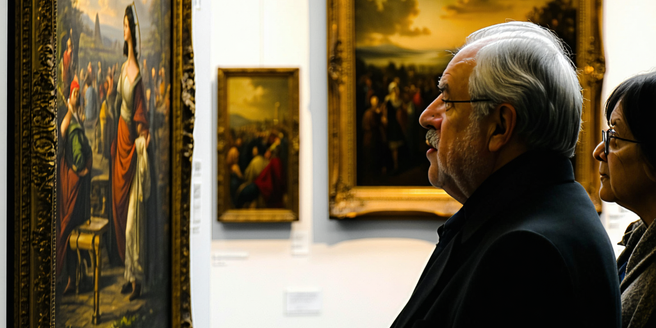
Participating in art galleries offers numerous benefits to artists, from increased visibility to professional development. Galleries provide a platform to reach a broader audience, which can lead to sales and new opportunities. Exhibiting in a reputable gallery adds credibility to an artist’s portfolio, making their work more attractive to collectors and curators. In addition, being part of a gallery can often stimulate an artist’s creative process, pushing them to produce new and innovative work. The networking opportunities available through gallery participation can be invaluable, allowing artists to connect with peers, industry professionals, and potential buyers. Moreover, the feedback received during exhibitions aids in refining artistic techniques and concepts. Consistent participation in gallery shows can help in building a robust artistic career, enhancing both creative and financial prospects.
Tips for Artists Entering Competitions
Entering art competitions can be a daunting endeavor for many artists, but with the right approach, it can yield significant rewards. Begin by thoroughly reading the competition guidelines, ensuring that submissions meet all requirements. Tailor your entry to fit the competition’s theme while maintaining your unique style and voice. Attention to detail in presentation is crucial—high-quality images and well-written artist statements can make a difference. It’s beneficial to view competitions as opportunities for growth rather than just winning. Use feedback constructively to improve future submissions. Networking with other participants and judges can lead to valuable connections and insights. Finally, resilience and persistence are key; each competition is a stepping stone towards artistic development and recognition.
