Understanding the Basics of Discount Campaigns
Discount campaigns are marketing strategies aimed at enticing customers through price reductions. They are an effective method to boost sales, clear old inventory, and attract new customers. By offering discounts, businesses can create a sense of urgency and encourage quicker purchasing decisions. Understanding the purpose and mechanisms of discount campaigns is crucial for businesses seeking to enhance their market presence. It’s important to align these campaigns with business goals, such as increasing market share or seasonal sales. Selecting the right type of discount, from percentage reductions to bundling offers, helps in targeting the right customer segment. Clearly communicating the value proposition and impact of the discount is vital. Monitoring results ensures that the campaign meets its objectives and provides insights for future initiatives.
Setting Goals for Your Discount Strategy
Before initiating a discount campaign, setting clear and measurable goals is essential. Goals may include increasing customer acquisition, retaining existing customers, boosting sales of a specific product, or moving outdated inventory. Clearly defined goals guide the strategy and help in selecting the appropriate type of discount. It’s crucial to identify the target audience and how they will respond to different discount types. Establishing key performance indicators (KPIs) such as conversion rates, average order value, and customer lifetime value are necessary to measure success. Aligning the campaign’s objectives with overall business goals ensures consistency in strategic planning and execution. Regularly reviewing and adjusting these goals based on market trends and customer feedback can lead to a more effective and successful discount strategy.
Types of Discount Campaigns to Consider
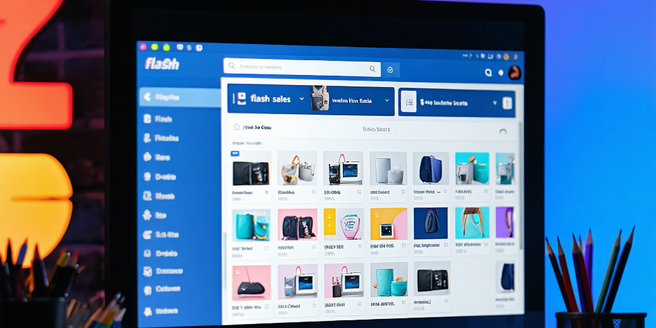
There are several types of discount campaigns available, each with its own advantages. Percentage discounts are popular, offering customers a specified percentage off their purchase, while buy-one-get-one (BOGO) promotions encourage additional spending. Seasonal or holiday sales tap into increased purchasing trends at specific times of the year. Volume discounts reward customers for purchasing larger quantities, and clearance sales help move old stock. Coupon codes and flash sales add a layer of excitement and urgency, driving immediate response. Understanding the pros and cons of each type allows businesses to select the most appropriate campaign for their needs. Aligning these options with business objectives and target audience preferences is key for maximizing the success of a discount campaign.
Measuring the Success of Your Campaign
To evaluate the efficacy of a discount campaign, it’s imperative to measure specific metrics. Monitoring sales revenue before, during, and after the campaign reveals its financial impact. Analyzing customer engagement metrics, such as site traffic, conversion rates, and basket size, can provide insights into customer behavior and campaign effectiveness. Keeping an eye on competitive benchmarks can also guide strategic adjustments. Comparing these metrics against predefined goals helps determine success and areas for improvement. Customer feedback, through surveys or reviews, offers qualitative data on the campaign’s appeal. Additionally, assessing return on investment (ROI) confirms whether the campaign’s costs were justified by the sales increase. Regularly reviewing and analyzing these measurements ensures that future discount campaigns are informed by past performance, enabling continuous improvement.
Tips for a Successful Discount Campaign
Creating a successful discount campaign requires careful planning and execution. Start by understanding your target audience and what incentives will motivate them. Timing is crucial—align your campaign with customer buying cycles or specific holidays. Clearly communicate the terms and conditions of the offer to avoid customer confusion. Use multiple marketing channels, such as email, social media, and in-store promotions, to reach a broader audience. It’s important to set a budget and monitor spends to prevent overspending. Create urgency through time-limited offers to encourage prompt purchases. Finally, prepare your team to handle increased customer inquiries and ensure logistic capabilities meet demand. A well-structured plan with attention to these details can significantly enhance the success of a discount campaign.
