Understanding Reward-Based Gaming Models
Reward-based gaming models form the cornerstone of numerous online games, offering players in-game incentives like currencies, items, or levels in exchange for completing specific tasks or achievements. These models nurture a competitive environment and drive player engagement by introducing elements of achievement and progress. Developers often design these systems to motivate players to enhance their skills, thus prolonging their gameplay and increasing retention rates. By strategically balancing the rewards, developers can keep the experience gratifying and prevent it from becoming repetitive. Such models have profound implications for monetization, as players are often motivated to spend money to gain advantages or customize their gaming experiences. Understanding the delicate balance of this model is crucial for developers who aim to create immersive and financially successful games.
The Psychology Behind Gaming Rewards
Gaming rewards are deeply embedded in human psychology, resonating with our innate desire for achievement and validation. When players receive rewards, the brain releases dopamine, reinforcing behaviors and encouraging continued participation. This psychological reaction can create cycles of engagement, where players are driven to pursue rewards to experience the associated pleasure repeatedly. Reward systems also trigger a sense of accomplishment and status, making them particularly powerful in social and competitive contexts. Not only do they keep players glued to their screens, but they also satisfy the intrinsic human need for recognition and self-worth. Game designers leverage this understanding by designing rewards that cater to a range of psychological needs, effectively tailoring experiences that speak to diverse player motivations.
Types of Rewards in Online Gaming
In the realm of online gaming, rewards come in various forms, each designed to engage players in unique ways. Common types include tangible rewards like virtual currency and items that enhance gameplay or allow personalization. These incentivize player achievements and encourage further investment in the game. Then there are experiential rewards which involve unlocking new game content or achieving a higher rank, delivering a sense of progression. Cosmetic rewards provide players with the ability to personalize their avatars or environments, appealing to users who value social status and identity. Some games also incorporate community rewards, encouraging cooperative gameplay and fostering a sense of camaraderie among players. By providing a diverse array of rewards, game developers can cater to multiple player preferences, ensuring that different types of users find value in their gaming experience.
Impact of Rewards on Player Engagement
In reward-based gaming, rewards play a pivotal role in influencing player engagement. By introducing levels of rewards, from instant gratification to long-term achievement, developers can manipulate the game’s dynamics to maintain player interest. The regular receipt of rewards can foster a habit, as players become eager to log in regularly to avoid missing out on daily incentives. Moreover, rewards can enhance a game’s social elements by encouraging interactions among players, such as sharing achievements or competing in ranked gameplay. However, the challenge lies in ensuring that rewards remain meaningful over time, as their impact can diminish if they become too easy or predictable. Balancing reward frequency and variety is essential in maintaining an engaging and sustainable gaming ecosystem, where players feel continuously rewarded and challenged.
Future Trends in Reward-Based Gaming
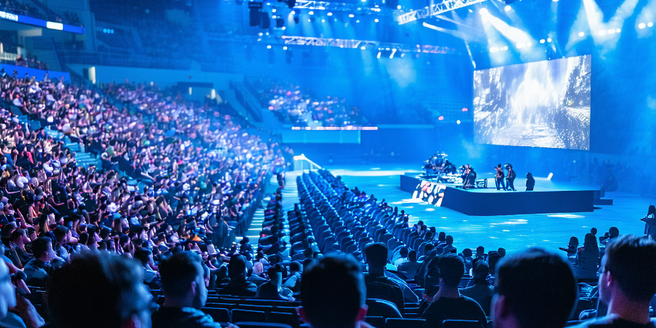
As technology advances, the future of reward-based gaming is poised for exciting developments. With the integration of artificial intelligence, games will increasingly tailor rewards to suit individual player behaviors and preferences, leading to personalized gaming experiences. The rise of virtual and augmented reality also offers platforms where rewards can be further immersive and interactive. Blockchain technology introduces the potential for players to own unique in-game assets, transforming how rewards are assigned value and traded. Social media and streaming platforms are driving games to incorporate rewards that encourage sharing and community building. Additionally, the expansion of eSports is likely to elevate competitive rewards, offering professional players tangible incentives and further blurring the lines between gaming and mainstream sports. These trends suggest a dynamic evolution of rewards that will continue to shape player experiences and engagement in innovative ways.
