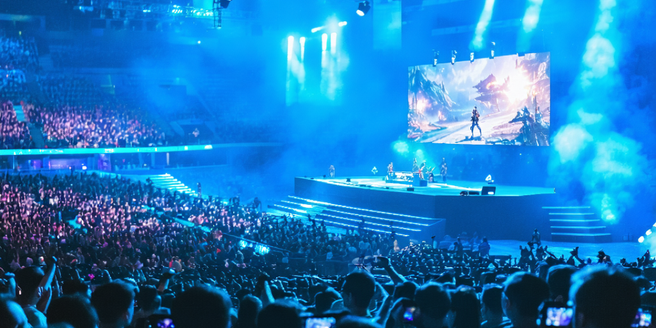
Overview of Major Online Game Competitions
Online game competitions, or eSports, have gained monumental popularity in recent years, evolving from niche tournaments to global events with millions of spectators. These competitions vary in scale and prestige, ranging from grassroots local tournaments to international championships like The International, which features multi-million dollar prize pools. Major events often focus on popular games such as League of Legends, Dota 2, and Counter-Strike: Global Offensive. Competitions are typically held both online and in-person, offering a platform for players to showcase their skills and for fans to immerse themselves in the excitement. Broadcasting platforms, such as Twitch and YouTube, have further propelled the industry, making eSports accessible to an even wider audience. This rapid growth signifies not just a cultural shift but also a burgeoning industry with professional opportunities for gamers.
How to Qualify for Elite Gaming Events
Qualifying for elite gaming events requires dedication, skill, and a deep understanding of the game. Participants often start by building their reputation in smaller, local tournaments, gradually advancing to regional competitions. Mastery of game mechanics is crucial, but players must also focus on strategic thinking and teamwork. Joining or forming a team with complementary skills can enhance individual proficiency and improve coordination. Many elite tournaments have open qualifiers, allowing anyone to participate, while others might require invitations based on rankings or previous performances. Continuous practice, analysis of both personal gameplay and that of others, and staying updated with the game’s meta are imperative in preparing for these events. Additionally, networking within the community can offer valuable insights and opportunities to connect with established players and organizations.
Different Formats and Structures in eSports Tournaments
eSports tournaments vary widely in their structures and formats, reflecting the diversity of the gaming world. Some competitions are single-elimination, where a team is knocked out after one loss, while others use double-elimination, providing a second chance in the lower bracket. Round-robin formats allow every team to play each other, with the best performing moving on to knockout stages. The complexity of each structure serves to balance competitive fairness and entertainment value. For instance, major tournaments often include group stages that feed into playoff formats, ensuring that only the top-performing teams proceed. Some events focus on individual skill, while others emphasize team synergy. Rulesets can vary greatly depending on the game, with specific guidelines ensuring the integrity of the competition, such as bans on certain tactics or character picks to maintain fair play.
Strategies for Success in Competitive Gaming
Success in competitive gaming hinges on a combination of skill, strategy, and mindset. Players must commit to rigorous practice, honing their mechanics and knowledge of the game’s mechanics. Analyzing opponents’ strategies and adapting in real-time offers a tactical edge during intense matches. Mental resilience is equally important, as maintaining focus and composure under pressure can turn the tide of competition. Top players engage in thorough preparation, studying gameplay tactics and refining their strategies to exploit opponents’ weaknesses. Collaborating with team members is crucial, as effective communication and synergy can significantly enhance performance. Building confidence through consistent performance and leveraging experience from past competitions provide a psychological advantage. Emphasizing a balance between solo play to sharpen individual skills and cooperative practices with teammates sets the foundation for tournament success.
The Future of Online Game Competitions
The future of online game competitions is poised for continued growth and innovation. As technology advances, we can expect more immersive viewing experiences with virtual and augmented reality. The rising mainstream appeal will likely lead to more sponsorships and partnerships, further legitimizing eSports as a major entertainment industry. Universities and educational programs are increasingly offering eSports scholarships and courses, paving the way for new talent to emerge. The integration of artificial intelligence and analytics tools could revolutionize how teams analyze performance and strategize. Additionally, the expansion of internet access globally will nurture a new wave of eSports enthusiasts and competitors from previously untapped regions. As traditional sports organizations invest in eSports teams, the blending of conventional sports marketing strategies with interactive platforms will continue to reshape the landscape, ensuring a vibrant and dynamic future.
