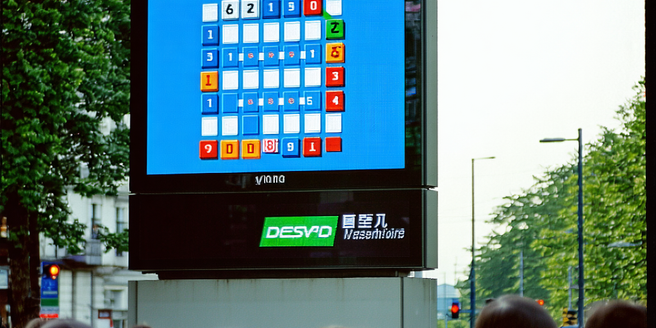
The Rise of Gamification in Marketing Strategies
Gamification is transforming the marketing landscape by integrating game-like elements into promotional strategies. This novel approach captures customer interest, making marketing more engaging and interactive. Brands are adopting gamification to foster deeper connections with their audience, utilizing points, badges, leaderboards, and challenges. These elements not only enhance user experience but also drive brand loyalty and participation. By aligning game mechanics with marketing objectives, companies can influence buyer behavior and increase brand recall. As the digital world evolves, the demand for innovative promotional tactics is growing, and gamification offers a compelling solution. Its potential to create memorable experiences is unmatched, paving the way for a new era in marketing. The ongoing success of this approach highlights its capacity to revolutionize how brands interact with consumers.
How Game-based Promotions Enhance Customer Engagement
Incorporating game-based promotions into marketing strategies is proving to be an effective way to enhance customer engagement. These promotions use reward systems and interactive experiences to create a dynamic that encourages ongoing customer participation. Unlike traditional marketing, game-based promotions offer instant gratification through achievements and rewards, fostering a sense of accomplishment and loyalty among consumers. By leveraging the competitive nature inherent in games, brands can increase interaction rates and prolong customer interest. Studies show that gamified marketing strategies lead to higher retention rates and greater brand affinity. This engagement is crucial in a marketplace saturated with choices, providing businesses with a competitive edge. By focusing on customer interaction, brands can cultivate stronger relationships, ensuring repeat business and sustained interest over time.
Technological Innovations Driving Game-based Campaigns
Technological advancements are the backbone of successful game-based promotional campaigns. Emerging technologies like augmented reality (AR), virtual reality (VR), and blockchain have revolutionized the way brands design and implement these campaigns. AR and VR provide immersive experiences that captivate audiences, creating engaging narratives and interactions that form a lasting impact. Meanwhile, blockchain technology ensures security and transparency in reward systems, fostering trust between brands and consumers. Additionally, data analytics allow for the personalization of game-based experiences, tailoring challenges and rewards to individual preferences. As AI continues to evolve, it offers further opportunities for personalized user experiences. These innovations enable brands to craft unique, interactive marketing strategies that stand out in the digital marketplace, offering a glimpse into the future of consumer-brand engagement.
Case Studies: Successful Game-based Promotional Campaigns
Several brands have redefined their marketing success through game-based promotional campaigns. For instance, Nike’s ‘Run Club App’ incentivizes users with digital rewards for achieving running milestones, transforming fitness into a social game. McDonald’s ‘Monopoly Promotion’ is another success story, turning simple purchases into an opportunity for fun and prizes, significantly boosting sales and engagement. Similarly, Starbucks’ ‘Starland’ uses a gamified loyalty program to encourage frequent participation, promoting new products while strengthening customer relationships. These campaigns demonstrate the effectiveness of integrating gaming mechanics into marketing strategies, not only increasing engagement but also driving customer loyalty. Analyzing these campaigns highlights the potential for creativity and innovation in promotional activities, proving that game-based elements can lead to remarkable results.
Challenges and Solutions in Implementing Gamified Promotions
Implementing gamified promotions presents unique challenges, yet solutions are readily available for those willing to innovate. One major challenge is developing a seamless user experience that balances game complexity with accessibility. Prioritizing user-friendly interfaces ensures participants remain engaged without feeling overwhelmed. Another concern is maintaining relevance and interest over time; integrating fresh, dynamic content keeps the audience curious and engaged. Additionally, there are logistical challenges, such as resource allocation and technological integration, which require strategic planning. Collaborating with experienced developers and leveraging analytics can optimize game design and functionality. Despite these hurdles, the benefits of gamified promotions are substantial, offering increased engagement and brand loyalty. By addressing these challenges head-on, businesses can harness the full potential of gamification to enhance their marketing strategies.
