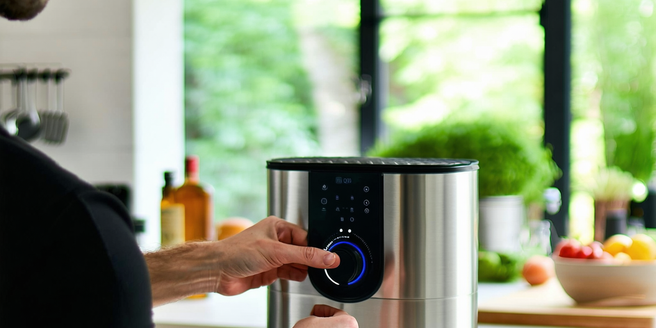
Understanding the Importance of Product Demonstrations
Product demonstrations offer a potent tool for businesses to showcase the unique features and benefits of their offerings. Allowing customers to experience a product firsthand can effectively reduce hesitation in the buying process by building confidence and trust. Demonstrations serve to bridge the gap between customer expectation and reality, providing a clear and compelling narrative on how a product functions and its value proposition. Through interactive engagement, customers can ask questions and address their specific concerns, which is substantially more impactful than any written description. Moreover, the dynamic nature of demonstrations caters to different learning styles, enhancing understanding and retention. Ultimately, product demonstrations not only educate potential buyers but also create memorable experiences that can drive higher conversion rates.
The Role of Samples in Customer Decision-Making
Product samples play a critical role in influencing customer decisions by allowing tangible experiences. Samples serve as a low-risk opportunity for customers to try before they buy, eliminating buyer uncertainty. When customers engage with a sample, they are better able to appreciate the product’s attributes, fostering a more informed purchasing decision. Furthermore, samples can instill confidence in product quality and efficacy, especially for new or unfamiliar products. By reducing perceived risk, samples can expedite the decision-making process, encouraging customers to make quicker purchasing commitments. Businesses that leverage samples as part of their marketing strategy can often see increased customer satisfaction and loyalty, as customers feel valued and cared for. In essence, samples empower customers, making them pivotal in the buyer’s journey.
Strategies for Effective Demonstrations and Sampling
To maximize the impact of demonstrations and sampling, businesses should adopt strategic approaches. First, understanding the target audience is crucial; tailor demonstrations to address the specific needs and preferences of potential customers. Effective storytelling can enhance engagement, turning a simple demonstration into an immersive experience. Additionally, providing incentives or special offers during demonstrations can increase participation rates. For sampling, it’s vital to ensure the product is presented attractively and conveniently positioned for customer engagement. Leveraging data analytics can identify the most opportune moments and locations for sampling, thus maximizing exposure and effectiveness. By combining personal interaction, strategic timing, and targeted messaging, businesses can create memorable and impactful demo and sampling experiences that resonate with customers and drive sales.
Analyzing Customer Feedback to Improve Demonstrations
Customer feedback is an invaluable asset for refining demonstration techniques. By systematically collecting and analyzing feedback, businesses can identify areas of strength and opportunities for improvement in their demos. Engaging with customers post-demonstration provides insights into their experiences, preferences, and reservations, allowing businesses to refine their approach. Analytics tools can streamline feedback collection and processing, highlighting common pain points or questions that arise during demos. Iterative feedback loops ensure continuous improvement, enabling businesses to stay aligned with customer expectations and preferences. By prioritizing feedback analysis, companies enhance their ability to deliver demonstrations that are not only informative but also engaging and persuasive. Ultimately, leveraging feedback fosters a customer-centric approach, driving higher satisfaction and conversion rates.
Leveraging Technology to Enhance Product Samples
Embracing technology in product sampling can transform customer experiences and enhance engagement. Digital sampling, augmented reality (AR), and virtual reality (VR) tools can create immersive environments where customers can interact with products in novel ways. For instance, AR applications enable customers to visualize how products fit into their spaces or lifestyles, providing a sense of ownership before purchase. QR codes and mobile apps can streamline the sampling process, offering additional information and personalized experiences. Furthermore, integrating customer data with technology can create targeted sampling opportunities, ensuring relevance and maximizing impact. By leveraging these technological advancements, businesses can offer samples that are not only trials but also engaging experiences that drive affinity and sales.
Case Studies: Success Stories with Demos and Samples
Case studies highlighting successful demonstrations and sampling paint a vivid picture of their potential impact. For example, a tech company experiencing declines in conversion rates successfully revitalized their sales with interactive product demos that simplified complex functionalities for users. Notably, a cosmetic brand significantly increased customer acquisition by distributing personalized samples based on data-driven insights from consumer profiles. These case studies underscore the effectiveness of tailored demonstrations that resonate with target audiences, showcasing the potential to drive significant business outcomes. By examining these success stories, other businesses can glean practical insights and innovative ideas on incorporating demos and samples into their strategies, creating meaningful customer engagements and enhancing the purchasing experience.
