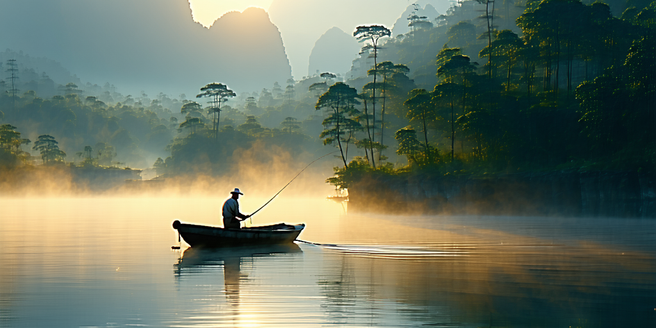
Understanding Judging Criteria
Understanding the judging criteria is crucial to winning photo contests. Judges often look for specific elements such as creativity, technical skill, and adherence to the theme. Creativity involves unique perspectives that capture the viewer’s imagination, while technical skill is about using equipment efficiently to create a technically sound image. Understanding the theme is vital as it ensures your photograph resonates with the contest’s purpose. Research past winners to gauge what has been successful. Judges may also consider emotional impact and storytelling, so focus on conveying a clear narrative through your photos. Each contest may have different criteria, so always read the rules and guidelines carefully. Tailoring your submission to meet these expectations can greatly increase your chances of impressing the judges and securing a win.
Mastering Composition Techniques
Mastering composition is key to capturing striking photographs that stand out in contests. Composition refers to the arrangement of elements within the frame. Use the rule of thirds to create balance by positioning key objects along intersecting lines. Leading lines guide the viewer’s eye through the photo, adding depth and interest. Framing can isolate the subject or draw attention to it by utilizing natural surroundings like branches or windows. Symmetry and patterns create appealing scenes that attract attention. Experiment with perspectives by shooting from different angles or distances to add unique qualities to your images. Negative space, the areas around and between subjects, can emphasize your main focus. By understanding and applying these composition techniques, you can enhance the visual appeal of your photographs and make a lasting impression in competitions.
Utilizing Lighting to Your Advantage
Lighting is a critical element that can transform ordinary photographs into extraordinary ones in photo contests. Natural light, such as the golden hour’s soft, warm tones, can add depth and richness to images. Artificial lighting, including flash and studio setups, allows for control and precision. Pay attention to the direction and quality of the light, as it affects shadows, highlights, and the overall mood of the photo. Backlighting can create silhouettes, whereas side lighting adds texture and dimension. Experiment with exposure settings to capture the best lighting conditions. Additionally, be mindful of how lighting interacts with colors and contrasts within the frame. By mastering how to effectively harness and manipulate lighting, photographers can ensure their work stands out to contest judges, demonstrating both technical skill and creative vision.
Editing Tips for a Stunning Entry
Editing is an essential part of preparing a photo contest entry, allowing you to refine and enhance your images to perfection. Start with basic adjustments like cropping for better composition, and correcting exposure, contrast, and saturation for balance and depth. Use advanced tools like dodging and burning to emphasize highlights and shadows, creating a more dynamic image. Pay attention to sharpness and clarity, ensuring details are crisp without adding noise. Color grading can enhance mood and tone, but avoid over-editing which can make the photo look unnatural. Consistency in editing across entries helps in creating a cohesive body of work. Reviewing before submission is crucial for spotting any imperfections or necessary corrections. By skillfully editing your photos, you can present polished and compelling entries that captivate the judges’ attention.
Showcasing Unique Perspectives
In photo contests, showcasing unique perspectives can set your submission apart from others. This involves capturing subjects in a way that offers new insights or unseen viewpoints. Experiment with different angles—try shooting from a high vantage point or getting down low for a ground-level shot. Incorporate elements like reflections or shadows to add layers and visual interest. Use macro photography to reveal intricate details not visible to the naked eye. This approach invites the audience to engage with familiar subjects in unexpected ways. Think about how composition techniques, such as framing or negative space, can contribute to a distinctive viewpoint. Additionally, consider cultural or abstract themes that evoke deeper meanings or emotions. By focusing on unique perspectives, you offer fresh, engaging narratives that resonate with contest judges and stand out in a competitive field.
Preparing and Submitting Your Entry
Proper preparation and submission are vital steps in participating in photo contests. Start by thoroughly understanding the contest rules, including deadlines, submission formats, and entry fees. Select images that meet the criteria and represent your best work. Ensure photos are properly edited and formatted according to the contest guidelines. File sizes and formats like JPEG or TIFF are often specified, so adhere strictly to these requirements. Organize your portfolio to showcase a cohesive style or theme, demonstrating your vision and versatility. Consider writing a compelling description or title that complements the visual narrative of your submission. Ensure all metadata is correctly filled in, including necessary release forms if applicable. Finally, submit your entry well before the deadline to account for any unforeseen technical issues. Meticulous preparation and adherence to guidelines can significantly enhance your chances of success.
