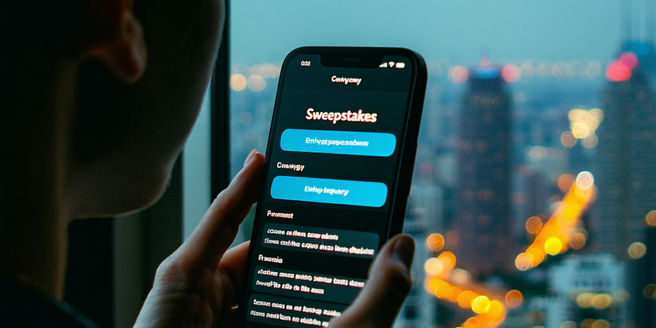
Understanding the Global Sweepstakes Landscape
Sweepstakes have gained immense traction in the global context due to their ability to engage massive audiences through promises of rewards and excitement. From traditional paper entries to digital platforms, the landscape of sweepstakes is continually evolving, offering new opportunities for both brands and consumers. Digital platforms allow companies to reach diverse demographics, accommodating different languages and cultural preferences. The competitive nature of these contests encourages participant engagement and brand loyalty. As companies strive to expand their market presence, understanding regional regulations and consumer behavior is crucial for successful sweepstakes. However, this landscape is marred with challenges, such as managing fraud and ensuring compliance with international legal standards. Companies adept at navigating these complexities stand to gain significant benefits, including brand recognition and increased customer base.
Key Opportunities for Participants and Brands
Sweepstakes offer an array of opportunities for both brands and participants. For brands, they serve as a potent marketing tool to enhance visibility and engagement by tapping into the aspirational psyche of consumers hoping to win exciting prizes. This can lead to increased customer acquisition and loyalty. Participants enjoy the chance to win prizes, which can range from small collectibles to significant cash awards. Additionally, sweepstakes often provide a community-centric aspect, where participants feel a sense of belonging to a group striving for a common goal. Brands can leverage this interaction to gather valuable consumer insights. With digital platforms enabling global participation, the scope for reaching new audiences is vast, providing unparalleled opportunities for brand expansion and participant diversity.
Legal and Regulatory Considerations for Sweepstakes
The legal landscape surrounding sweepstakes is complex and varies significantly across different jurisdictions. Organizers must navigate a myriad of regulations to ensure compliance, such as no-purchase-necessary rules, age restrictions, and the method of winner selection to avoid being classified as gambling. Failure to comply with these laws can result in significant penalties and reputational damage. Adhering to data protection regulations, like GDPR in Europe, is also critical, given the data collection involved in conducting sweepstakes. It is essential for organizers to consult legal experts familiar with the intricacies of international sweepstakes laws. Establishing transparent terms and conditions, alongside robust data handling practices, can help mitigate legal risks while ensuring a fair and trustworthy experience for participants.
Challenges Faced by Sweepstakes Organizers
Organizing sweepstakes on a global scale presents significant challenges, including cultural differences, legal compliance, and technological issues. Cultural variances can impact participant engagement, requiring organizers to tailor their promotions to suit local preferences. Legal compliance is another major hurdle; varying laws across countries necessitate rigorous legal oversight to avoid unintentional violations. With the pervasive threat of fraud, organizers must implement robust security measures to protect participant data and ensure fair play. Technological glitches, such as website downtime or issues with entry submissions, can hinder participant experience and diminish the brand’s reputation. Organizers must invest in reliable technology and continuous monitoring to ensure smooth operations. Addressing these challenges is crucial for maintaining credibility and achieving the objectives of the sweepstakes.
The Future of Online Sweepstakes in a Global Market
The future of online sweepstakes is poised for significant evolution fueled by advancements in technology and changing consumer behaviors. Augmented reality and virtual reality technologies offer innovative ways to engage participants, creating immersive sweepstakes experiences. As internet accessibility expands globally, coupled with the proliferation of social media, the reach of sweepstakes is expected to grow exponentially. Data analytics will play a crucial role in optimizing sweepstakes strategies, helping organizers tailor promotions to specific audience segments effectively. Additionally, the rise of blockchain technology may enhance transparency and trust in the selection process. However, with these advancements, organizers must remain vigilant of emerging legal challenges and continue to prioritize participant privacy and data security. Embracing these trends will be integral to the sustained success of online sweepstakes in the global market.
