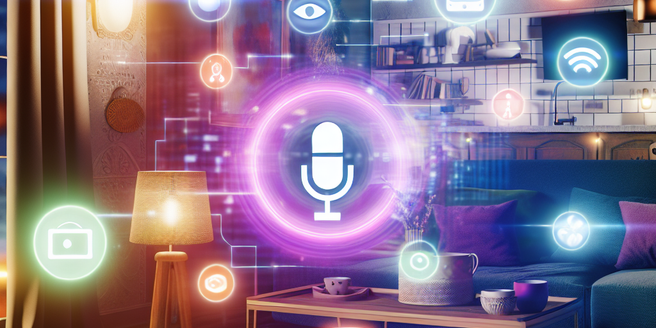
Introduction to Different Entry Methods
Entry methods refer to the various ways users can input data, interact, or gain access to systems and applications. From traditional methods like keyboards and touchpads to modern innovations such as biometric scanners and voice recognition, each method offers unique user experiences. Understanding different entry methods is crucial for designing interfaces and systems that accommodate diverse user needs. As technology evolves, keeping up-to-date with the latest entry methods becomes increasingly important. Companies prioritize seamless entry processes to enhance user satisfaction and improve efficiency. Keyboards offer precision, touchscreens bring interactivity, and biometrics provide security. Each method has its place in specific applications. Familiarity with these options ensures better decision-making in choosing appropriate entry methods for specific use cases, ensuring accessibility, speed, and reliability.
Key Factors in Choosing Entry Methods
When selecting entry methods for a system, several factors come into play to ensure effectiveness and user satisfaction. Security is a primary consideration; methods like biometric authentication and encryption are paramount for sensitive data. Usability also takes precedence; intuitive methods such as touch interfaces or voice commands enhance user interaction. Speed is another crucial factor, with fast entry methods expediting processes for efficiency. Compatibility with existing systems is essential to avoid integration issues. Accessibility addresses the needs of users with disabilities, necessitating adaptable entry methods. Cost also plays a role, with budget constraints dictating the feasibility of advanced technologies. By evaluating these factors, organizations can choose methods that align with their specific goals, technological capabilities, and user expectations.
Pros and Cons of Common Entry Methods
Entry methods like keyboards, touchscreens, and voice recognition each offer distinct advantages and drawbacks. Keyboards are precise and familiar, ideal for text-heavy usage but require manual dexterity and can be cumbersome for touchscreen-centric devices. Touchscreens provide direct interactivity, supporting gestures and enabling intuitive navigation, though they are prone to smudges and require visual engagement. Voice recognition offers hands-free operation and accessibility, making tasks like dictation or control across devices seamless, but it struggles with environmental noise and varying accents. The evolution of AI technology continues to improve the accuracy and efficiency of these input methods. Balancing these factors determines their effectiveness in specific applications. Evaluating pros and cons helps in choosing entry methods tailored to user needs, application requirements, and environmental conditions.
Innovative Entry Methods in Modern Technology
In the ever-evolving world of technology, innovation in entry methods is transforming our interaction with devices. Biometric solutions such as fingerprint and facial recognition offer enhanced security and user convenience, eliminating traditional password hassles. Gesture recognition technology allows users to control devices through physical gestures, introducing a touch-free interface experience. With continuous advancements, these technologies are becoming increasingly sophisticated and accessible, broadening their applications. Open-air holographic displays provide futuristic interaction, capturing user inputs without direct contact. Voice assistants integrated with AI offer advanced voice recognition capabilities, turning voice commands into powerful interaction mediums. As technologies like virtual and augmented reality advance, new entry methods will continue to emerge, further blurring the lines between user and machine interaction, offering more organic and immersive experiences.
Future Trends in Entry Method Technologies
The future of entry methods is geared towards greater automation, personalization, and seamless integration with AI. Emerging technologies are focusing on reducing the friction between humans and machines. Voice recognition and AI-driven natural language processing are becoming more sophisticated, allowing for more accurate and context-aware interactions. These advancements foster a more intuitive relationship between users and technology. Brain-computer interfaces are being explored to enable control through thought alone, which could revolutionize accessibility. Contactless entry methods, driven by advancements in gesture and facial recognition, are gaining traction for their convenience and hygiene benefits. Furthermore, advancements in IoT and smart environments may see devices automatically adjusting settings based on user presence and preferences, making interaction more intuitive and efficient in everyday life.
