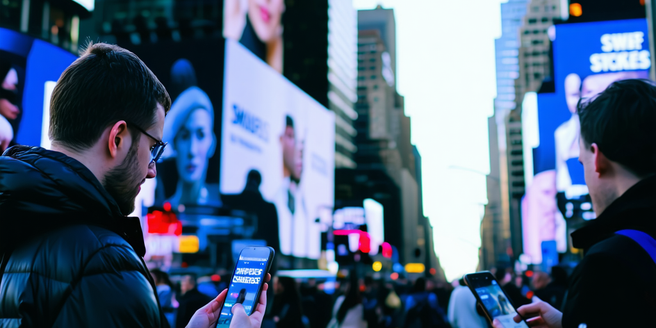
Understanding Sweepstakes Participation Trends
Examining the trends in sweepstakes participation reveals a complex picture shaped by various economic and cultural factors. One notable trend is the shift towards digital platforms, which has broadened access to sweepstakes, allowing more people to participate globally. This transition has been accelerated by improvements in technology and the widespread availability of the internet. Additionally, seasonal trends play a significant role, with peaks often aligning with holiday seasons or major global events, suggesting a boost from heightened consumer activity. Geographic trends are also noteworthy, with certain regions exhibiting higher engagement due to cultural predispositions towards contests or regional marketing strategies. Understanding these trends is vital for marketers aiming to tap into the sweepstakes allure and for designing campaigns that resonate with target audiences across different demographics and regions.
Psychological Drivers Behind Entering Sweepstakes
The allure of sweepstakes often lies in the psychological thrill they provide to participants. At the core is the concept of risk versus reward, where individuals are drawn to the potential of winning a valuable prize without a significant material loss. Behavioral economics explains this fascination through the excitement of anticipation and the dopamine rush associated with imagining winning. Additionally, the Fear of Missing Out (FOMO) plays a crucial role, as individuals do not want to miss the opportunity that others are engaging in. This is complemented by the innate human tendency to enjoy games of chance, where the possibility of success, no matter how small, drives participation. Together, these psychological drivers create a compelling motivation for individuals to engage in sweepstakes, often transcending rational probability assessments.
Demographic Influences on Sweepstakes Engagement
Demographic factors heavily influence participation rates and engagement levels in sweepstakes. Age is a significant variable; younger demographics, particularly millennials and Gen Z, are more likely to engage through digital platforms owing to their comfort with technology and social media. Meanwhile, older populations might participate more in traditional modes, like paper entry forms. Income also plays a role, with middle-income earners showing higher participation potentially due to balancing financial prudence with an aspiration for ‘luxury’ prizes. Educational level influences awareness and understanding of sweepstakes, affecting how participants perceive odds and regulations. Gender-based differences exist, with variations in preferred types of contests or prizes. By understanding these demographic nuances, marketers can tailor their sweepstakes to optimize reach and impact, ultimately enhancing overall engagement.
The Role of Rewards in Motivating Participation
Rewards serve as the primary incentive for entering sweepstakes, and their nature directly impacts participation levels. The attractiveness of a reward is subjective and might range from high-value items such as cars or vacations to smaller, more obtainable prizes like gift cards. The perceived value of these rewards can influence the frequency and enthusiasm of participants’ entries. Branded products often leverage sweepstakes to boost awareness and loyalty, presenting their merchandise as prizes. Additionally, attractive rewards can drive viral sharing, especially when integrated with social media platforms, creating a buzz around the contest. Ultimately, the strategic selection of rewards is crucial for engaging the target audience and maximizing the promotional benefits of a sweepstake campaign.
Influence of Social Media on Sweepstakes Enthusiasm
Social media has become a transformative force in the sweepstakes landscape, significantly amplifying enthusiasm and reach. Platforms like Instagram, Twitter, and Facebook provide businesses with extensive access to potential participants, enabling them to create engaging and interactive sweepstakes campaigns. The immediacy of social media interactions allows for instant feedback and sharing, thereby increasing visibility and viral potential. Influencers and brand ambassadors play a pivotal role, leveraging their followings to promote participation and lend authenticity to the campaigns. Moreover, the ability to curate visually appealing and interactive content that resonates emotionally with audiences can lead to increased engagement levels. Social media’s power to foster community and competitive spirit among participants further drives sweepstakes enthusiasm, turning contests into social events.
Comparing Online and Offline Sweepstakes Strategies
Online sweepstakes strategies have eclipsed traditional offline methods due to their ability to reach larger audiences at relatively lower costs. Digital platforms offer marketers precise targeting through data analytics, facilitating more personalized and engaging campaigns. Online approaches provide real-time insights into participant behavior, enabling swift adjustments to improve outcomes. Unlike offline methods, which often involve retail partnerships, distribution of physical materials, and higher overheads, online sweeps can be easily scaled and integrated with other digital marketing efforts. However, traditional offline strategies still hold value in certain demographics or niche markets where internet penetration is low or among audiences with a preference for tangible interactions. The most effective approach for sweepstakes campaigns is often a hybrid model that combines both online and offline strategies, maximizing reach and engagement.
