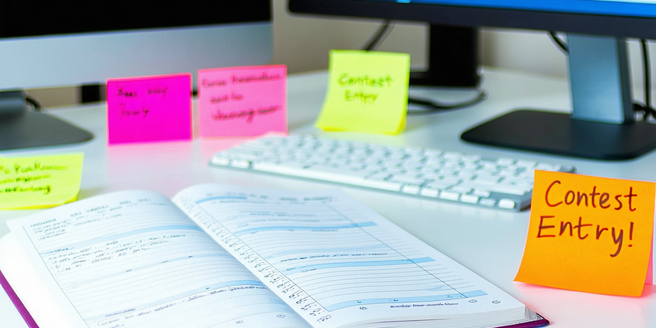
Understanding the Importance of Organized Contest Entry Tracking
Organized contest entry tracking is essential for serious participants. By systematically managing entries, you can avoid duplication, missing deadlines, or overlooking prizes won. Keeping track allows you to analyze past performance, identifying successful strategies and areas needing improvement. It ensures a professional approach by maintaining records of contest details, such as entry dates and submission confirmation. This organized method also helps in managing time more effectively, as you can allocate the right amount of focus and resources to each contest. Ultimately, it empowers you to maximize your chances of success and financial gains. By understanding the significance of maintaining an organized system, you prepare yourself not just to participate but to excel in contests.
Choosing the Right Tools for Managing Your Entries
In choosing the right tools for managing your contest entries, consider what aligns with your personal needs and technical comfort. There are various solutions available, ranging from simple spreadsheet programs to more sophisticated database systems. While spreadsheets like Excel or Google Sheets provide flexibility and are cost-effective, dedicated apps like Evernote or Trello offer task management features that enhance organization. Some tools also offer integration with other platforms, providing seamless workflow capabilities. Look for tools that offer reminders, entry history tracking, and easy accessibility across devices. Ensuring that the tool you select can adapt to your growing list of entries and deadlines is crucial. By choosing the right tool, you streamline your process, saving time and reducing the risk of errors.
Developing a Consistent Entry Logging System
Creating a consistent entry logging system ensures that your contest participation remains organized and productive. Start by designing a detailed format to record every relevant piece of information about each contest entry, such as contest name, entry date, deadline, prize details, and status. Consider having a backup system to avoid losing crucial data in case of technical issues. Utilize spreadsheets or specialized software to create your logs, ensuring they are easily accessible and updateable. Consistency is key; develop habits around updating your logs regularly, perhaps by setting aside time weekly to review and input data. Establishing a trusted method for logging entries minimizes oversight and lets you focus on engaging effectively in contests.
Setting Reminders and Monitoring Deadlines
Setting reminders and carefully monitoring deadlines are vital for contest success. Utilize digital calendars or apps to schedule regular notifications well in advance of entry deadlines. By automating reminders, you ensure that you stay on track and avoid last-minute rushes that can lead to errors. A systematic approach to tracking deadlines can significantly enhance your efficiency. Moreover, sharing these deadlines with team members can foster collaboration and ensure collective accountability. Additionally, regularly reviewing upcoming deadlines allows for better time management, ensuring that each contest receives the attention it deserves. Integrate these reminders into your weekly routine, checking all upcoming dates and preparing submissions with ample lead time. By prioritizing reminders, you increase the likelihood of timely and polished contest entries.
Analyzing Your Entry Success and Making Improvements
Analyzing your entry success is crucial for refining your contest strategies. Regularly review which entries were successful and identify patterns or commonalities that may have contributed to wins. Are there certain contests where your entries perform better? It is beneficial to determine which aspects of your submissions resonate most with judging panels. Perhaps seeking feedback from other participants or judges can provide additional insights. Does a particular style of submission consistently earn you prizes? Use these insights to adjust future strategies, focusing your efforts on contests that align with your strengths. Document feedback received and monitor trends over time to adapt proactively. Continuous self-assessment and improvement are the foundations of advancing in contests, enabling you to target entries intelligently and boost your chances of success.
