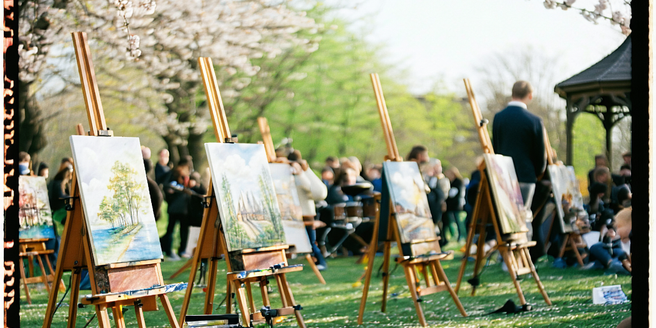
Understanding the Appeal of Art Challenges
Art challenges captivate artists by providing a structured environment to push creative boundaries. These events offer a sense of community, where shared themes and goals bring artists together, allowing for meaningful interaction and feedback. Moreover, art challenges often stimulate innovation by requiring participants to experiment with new techniques and styles. This shared exploration can inspire both the creator and observer, fostering an atmosphere of mutual growth and appreciation. Additionally, the regularity and variety of such challenges motivate artists to maintain a consistent practice, which is crucial for artistic development. The excitement of potential accolades or prizes further enhances the allure, adding an element of friendly competition. Overall, art challenges serve as a powerful catalyst for creativity, collaboration, and skill enhancement within the art community.
Types of Art Challenges and Their Formats
Art challenges come in various formats, catering to diverse artistic interests and skill levels. Some popular types include daily, weekly, and monthly challenges, where artists produce a piece within a specific time frame based on a thematic prompt. Inktober is a notable example, inviting participants to create ink drawings each day of October. Online platforms also host digital art challenges, often focusing on specific software or techniques. Community challenges, where participants submit entries for public voting or peer review, encourage engagement and interaction. Some challenges offer structured workshops or tutorials to guide participants through the creative process, providing educational value alongside the artistic experience. By offering different formats, art challenges accommodate artists with varying schedules and preferences, ensuring that everyone can find a challenge that resonates with them and fosters their artistic growth.
Criteria for Judging and Awarding Art Challenges
Judging art challenges involves multiple criteria to ensure a fair and rewarding experience for participants. Creativity and originality are often paramount, as judges look for unique interpretations of the theme. Technical skills, such as composition, color use, and attention to detail, are also crucial in evaluating a piece’s execution. Another critical aspect is storytelling or the emotional impact of the artwork, which assesses how well the artist communicates their concept or message. Additionally, adherence to the challenge’s theme and guidelines is essential, ensuring that submissions align with the given prompts. Judging can also consider audience engagement, especially in community or online platforms where feedback and interaction measure a piece’s overall impact. By evaluating these aspects, art challenges can celebrate a wide array of talent and creativity, ultimately recognizing and rewarding excellence in the field.
Notable Art Challenges with Prestigious Awards
Prominent art challenges with notable awards have inspired countless artists worldwide. Competitions like The Archibald Prize in Australia recognize excellence in portraiture and have propelled many artists to international fame. In the digital realm, Adobe’s Creative Jam challenges encourage innovative use of their software, offering winners exclusive opportunities and recognition in creative industries. The Turner Prize in the United Kingdom is another prestigious competition, celebrating contemporary visual arts and providing a significant platform for emerging and established artists alike. These challenges not only reward artistic talent monetarily but also provide invaluable recognition and exposure to a broader audience. Such accolades can be vital in advancing an artist’s career, providing opportunities for exhibitions, commissions, and collaborative projects. By participating, artists gain prestige and credibility within their communities and beyond, making these challenges highly coveted events in the art world.
Benefits of Participating in Art Challenges
Participating in art challenges offers numerous benefits, fostering personal and artistic growth. For many artists, these challenges serve as a source of inspiration, igniting creative sparks that lead to the exploration of new ideas and techniques. The structure and deadlines associated with challenges promote discipline, helping artists develop a consistent creative practice. Additionally, challenges often provide an opportunity for artists to showcase their work to a larger audience, gaining visibility in artistic communities and beyond. Feedback from peers and judges can offer valuable insights, guiding artists towards refining their craft and improving their skills. Moreover, the competitive yet supportive environment of art challenges can boost confidence and motivate artists to push their boundaries further. Engaging in these events is not only about winning awards but also about personal achievement, learning, and connecting with like-minded individuals in the art world.
Tips for Winning Art Challenges and Earning Awards
To excel in art challenges and earn awards, artists should focus on several key strategies. Thoroughly understanding the theme and criteria is crucial—ensure your submission aligns perfectly with the challenge’s requirements. Creativity is paramount, so think outside the box and present a fresh perspective on the theme. Mastering relevant techniques and showcasing strong technical skills can help your artwork stand out. Additionally, convey a compelling story or emotional message through your art to engage both judges and viewers emotionally. Seek constructive feedback from peers to refine your work before submission, incorporating suggestions to enhance the overall impact. Time management is vital; start early to allow for revisions and detailed finishing. Finally, maintain a positive attitude and view each challenge as a learning opportunity, regardless of the outcome. These practices can improve your chances of success and growth as an artist.
