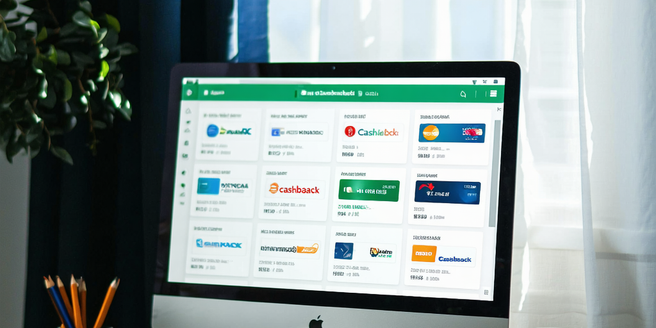
Understanding the Basics of Cashback Programs
Cashback programs are a type of promotion offered by credit card companies where a percentage of the total amount spent on purchases is returned to the customer. Understanding how these programs work is essential to maximizing their benefits. Typically, cashback is given as a percentage of the transaction amount, and different purchases might yield different cashback percentages. For instance, groceries and gas might have higher percentages than other categories. It’s important for consumers to familiarize themselves with the terms and conditions of each program, as these dictate the cashback percentage and any potential caps on earnings. Additionally, some cards may offer bonus cashback during promotional periods, further enhancing the benefits. By understanding and strategically using cashback programs, consumers can reap significant rewards on everyday purchases.
Comparing Different Types of Cashback Offers
When navigating the world of cashback offers, it’s crucial to understand the different types available. Flat-rate cashback cards offer a consistent percentage on all purchases, making them simple and predictable. In contrast, tiered cashback cards offer varying rates depending on the spending category, requiring users to strategize their spending to maximize returns. Another variation is rotating category cards, which change the categories eligible for higher cashback quarterly. Lastly, there are cards that provide bonus cashback on specific purchases such as travel or dining. Each type has its own advantages, with flat-rate cards offering simplicity and tiered or rotating cards delivering higher rewards in specific cases. Understanding these differences allows consumers to select the best card that aligns with their spending habits and financial goals.
Maximizing Your Savings with Cashback Deals
To maximize savings with cashback deals, consumers should first choose a card that aligns with their spending patterns. Look for cards that offer high cashback percentages in frequently used categories such as groceries, dining, and entertainment. Timing and planning are also key; waiting for promotional periods or making bulk purchases during high cashback times can lead to increased savings. Additionally, linking cashback cards with online shopping portals may yield additional discounts and cashback bonuses. Monitoring spending to avoid unnecessary purchases that might lead to debt is crucial. Finally, combining the right card with strategic spending and taking advantage of promotional offers and bonuses can significantly enhance savings while using cashback deals effectively.
The Role of Credit Cards in Cashback Strategies
Credit cards are integral to successful cashback strategies, acting as the primary tool for earning rewards. By using credit cards for routine purchases, consumers can accumulate cashback seamlessly. It’s vital to select cards that resonate with personal expenditure habits and offer the best rewards. Many credit cards offer additional benefits such as sign-up bonuses, loyalty points, and zero annual fees, further enriching the value proposition. However, to truly capitalize on these benefits, consistent and on-time payment of credit card bills is essential to avoid interest charges that can offset the earnings. Employing credit cards efficiently within cashback strategies can enhance financial gain significantly.
Leveraging Online Platforms for Better Cashback
Online platforms can amplify cashback opportunities significantly. Platforms like Rakuten, Honey, and Dosh partner with retailers to provide additional cashback on top of what credit cards offer. By shopping through these portals, consumers can earn rewards from both the portal and the credit card, maximizing total savings. Many platforms offer browser extensions alerting users to available cashback deals when shopping online, making it convenient to leverage these opportunities. Additionally, certain platforms provide special promotions or increased cashback for specific retailers periodically, allowing for strategic purchasing decisions. By effectively utilizing these platforms, consumers can optimize their savings and substantially increase their cashback earnings.
Common Pitfalls to Avoid in Cashback Programs
Engaging in cashback programs without careful consideration can lead to pitfalls that diminish their intended benefits. One common mistake is overspending to earn cashback rewards, resulting in spending more than necessary and accruing debt that negates any potential savings. Additionally, not understanding the terms of service, such as minimums for cashback redemption or expiration dates for cashback points, can result in lost rewards. Consumers might also overlook rotating categories or promotional opportunities, missing out on higher cashback rates. It’s critical to stay informed about ongoing offers and to read the fine print of each program. By avoiding these common mistakes, consumers can ensure they fully reap the benefits of cashback programs.
