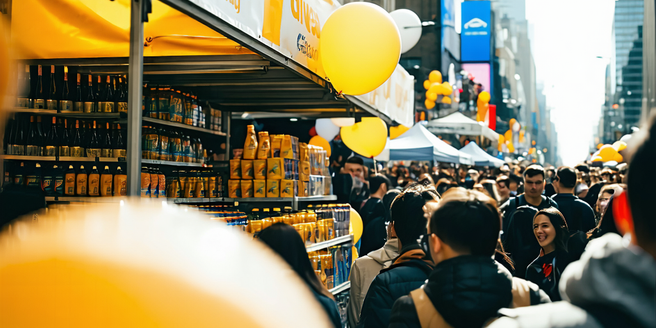
Introduction to Giveaway Success
Giveaways have become a potent tool in marketing strategies across various industries. Structured correctly, they not only engage potential customers but also significantly increase brand visibility. The success of a giveaway depends largely on precision—understanding your audience, choosing the right product, and determining the appropriate channels for dissemination. It’s essential to clearly define your goals beforehand. Are you aiming to build brand awareness, increase social media followers, or drive traffic to your website? Defining these objectives will help you craft a tailored strategy. Moreover, understanding your audience’s preferences can guide your choice of the giveaway prize, ensuring it resonates and encourages participation. An effective communication plan should accompany every giveaway, ensuring potential participants know how, when, and where it’s happening. Ultimately, the right preparation lays the groundwork for a successful outcome.
Building the Right Giveaway Strategy
Crafting a winning giveaway strategy begins with identifying your target demographic and understanding what they value. The choice of prize should align with the interests of this demographic to generate enthusiasm and participation. Once you’ve identified your audience and selected a suitable prize, the next step is crafting clear and appealing calls to action that encourage participation. Determine the platform where your audience is most active, whether it’s Instagram, Facebook, or your company website, and plan your campaign around this. Deciding the competition mechanics is equally important; consider entry requirements that are simple yet compelling, such as a social media share or a creative submission. Establishing a timeline with clear starting and ending dates alongside regular updates keeps your audience engaged. A well-thought-out strategy ensures that your giveaway not only reaches but also resonates with your intended audience.
Case Study: Boosting Brand Awareness
One notable example of a successful giveaway aimed at boosting brand awareness was conducted by a small coffee brand seeking to expand its market presence. By leveraging social media platforms like Instagram and leveraging hashtags, they encouraged users to share photos of their morning coffee routines, tagging the brand for a chance to win a year’s supply of coffee. This campaign was especially successful because it engaged users in a creative way and capitalized on the existing trend of sharing daily routines. By partnering with influencers and coffee enthusiasts, the brand was able to amplify its reach significantly. The virality of user-generated content not only strengthened the brand’s affinity but also attracted media attention, further extending the campaign’s reach. The campaign resulted in a substantial increase in followers, widespread engagement, and media coverage, thus exceeding initial goals set by the brand.
Engaging Audiences and Increasing Participation
The key to engaging audiences effectively lies in creating compelling content that speaks directly to them. One effective technique is using personalization where you involve customers in the process, making them feel like a part of the brand community. Providing clear guidelines and interactive elements such as polls or comment prompts also encourages participation. Social proof, where participants share their winnings and provide testimonials, can motivate others to join. Running multiple giveaways, each optimized for different segments of your audience, can offer insights into what works best with each demographic. Keeping communication transparent, responding to queries swiftly, and highlighting previous winners reduces skepticism and builds trust. Engaging with your audience isn’t a one-time act but an ongoing strategy. Offering exclusive benefits to participants post-giveaway can maintain interest and encourage long-term loyalty.
Analyzing Data for Continuous Improvement
A successful giveaway doesn’t end once the contest is over; it’s crucial to analyze the data collected to refine future strategies. Begin by assessing the participation rate—this metric reveals the level of interest your campaign generated. Engagement metrics, including likes, shares, and comments, provide further insights into which aspects of your giveaway resonated most with the audience. Keeping track of acquisition channels helps identify where your new audience discovered your brand. Analyzing user feedback can uncover common questions or areas for improvement. Beyond metrics, qualitative data from comments and messages are invaluable for understanding sentiment and experience. Use these insights to adjust your approach, whether it’s altering the prize selection, the entry mechanics, or the platforms used. Continuous analysis and adaptation ensure future giveaways are even more successful and aligned with evolving audience preferences.
Lessons Learned and Best Practices
Reflecting on previous giveaways is pivotal in identifying lessons learned and refining future efforts. One of the main takeaways is the importance of setting clear, realistic goals from the start. This prevents misalignment and sets a standard for success measurement. Transparency with participants in terms of rules, prize distribution, and data usage builds trust and encourages future engagement. Implementing an efficient tracking system helps in monitoring the progress and effectiveness of the giveaway campaign. Another best practice is to engage with participants post-giveaway—not only by announcing winners, but by providing non-winners with future engagement opportunities or exclusive discounts. Lastly, diversifying the types of giveaways and platforms used can help maintain novelty and prevent audience fatigue. Consistently applying these best practices can greatly enhance the effectiveness of future promotional activities.
