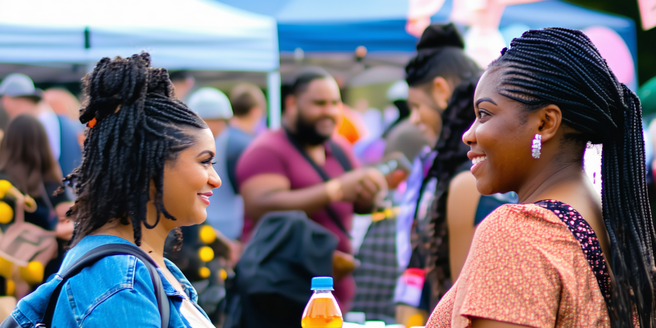
Understanding the Importance of Community in Sweepstakes
Building a community in the sweepstakes niche creates a supportive environment where members share tips, insights, and encouragement. This collaboration is vital as it fosters a sense of belonging, reducing isolation among participants. Active community engagement makes members feel seen and appreciated, enhancing their overall experience. Through shared challenges and successes, individuals draw motivation and learn from each other’s experiences, which can lead to increased participation and better chances of winning. Regular interaction within the community builds lasting relationships, providing a network of resources and support. As friendships form, the collective knowledge strengthens the community, turning it into a dynamic ecosystem that thrives on cooperation. Ultimately, understanding the community’s role in sweepstakes reveals its potential for offering both personal growth and winning opportunities.
Effective Communication Strategies for Sweeps Enthusiasts
Effective communication plays a crucial role in the success of any sweepstakes community. It ensures that all members are informed, motivated, and engaged. By utilizing platforms like forums, social media groups, or newsletters, enthusiasts can relay information promptly and effectively. Prioritizing clarity and brevity in messages helps prevent misunderstandings and keeps everyone on the same page. Encouraging open dialogue where members can ask questions and share insights fosters a more inclusive environment. Leaders should actively listen to feedback, ensuring that all voices are heard, which strengthens trust within the group. Regular updates and reminders about contests, rules, and deadlines help maintain enthusiasm and participation. Ultimately, strategic communication not only streamlines operations but also nurtures relationships, making the community more resilient and cohesive.
Fostering Trust and Support Among Members
Trust and support form the backbone of thriving sweepstakes communities. These elements lead to a cooperative atmosphere where members willingly share resources and advice. Building trust begins with transparency; clear guidelines and open communication about rules and expectations set the groundwork. Admins and moderators should lead by example, consistently demonstrating fairness and inclusivity. Encouraging members to celebrate each other’s wins and offer assistance in both victories and losses strengthens bonds. Recognizing contributions and acknowledging milestones fosters a supportive environment. Periodic discussions about challenges and opportunities allow for collective problem-solving, reinforcing mutual trust. As members experience genuine support from their peers, they become more committed and engaged, creating a culture of camaraderie. Over time, this foundation cultivates a safe space where everyone feels valued and empowered.
Organizing Collaborative Events and Contests
Organizing collaborative events and contests within sweepstakes communities is a powerful way to engage members and stimulate interaction. Such activities encourage teamwork, where participants join forces to achieve common goals. Planning themed contests or challenges not only adds excitement but also diversifies engagement by catering to different interests and skills. Offering small incentives or recognition for participation can boost motivation and increase involvement. Clear communication regarding the rules, objectives, and judging criteria is essential to ensure transparency and fairness. Collaborative events allow members to share their expertise, fostering a spirit of learning and cooperation. These activities are not just about competition but also about building connections and having fun. Over time, these shared experiences strengthen community bonds, making it more vibrant and resilient.
Addressing Conflicts and Challenges in the Community
Addressing conflicts and challenges promptly is crucial for maintaining harmony in any sweepstakes community. Conflicts can arise from misunderstandings, competitive tensions, or differing opinions. Early intervention and open communication are key to resolving issues effectively. Establishing a clear conflict resolution process, where members know whom to contact and what actions will be taken, helps to manage disputes. Encouraging respect and empathy in discussions can de-escalate tense situations. Admins should remain neutral, listening to all sides before making decisions. Providing education on conflict management and conducting forums for open conversation can preemptively address potential issues. Recognizing and resolving conflicts not only fosters a more peaceful community but also builds resilience by teaching members how to navigate challenges together.
Celebrating Successes and Milestones Together
Celebrating successes and milestones together enhances community spirit and strengthens relationships among members. Acknowledging achievements, whether they’re individual wins or collective accomplishments, boosts morale and inspiration. Organizing regular events or shout-outs to recognize these moments reinforces a positive environment. It’s important for leaders to encourage members to share their stories and journeys, which can motivate and teach others. Celebrations can be small yet impactful, like virtual gatherings or spotlight features in community newsletters. Celebrating together not only offers joy but also reinforces the value of participation and commitment. This culture of celebration creates a sense of unity, reminding everyone that they’re part of something bigger and that every achievement is a community success.
