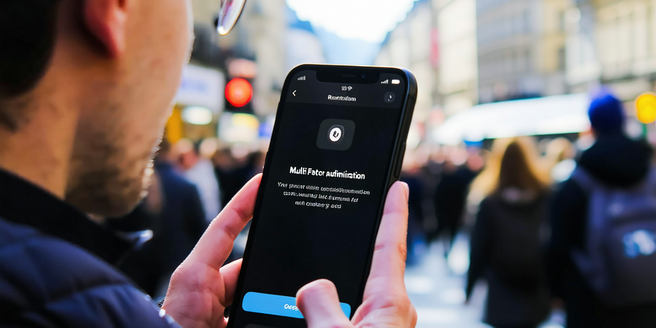
Understanding the Basics of Authentication
Authentication is a critical process in securing online systems, ensuring that users are who they claim to be. The basics involve verifying credentials like passwords, security questions, or biometrics before granting access. In giveaway contests, this becomes crucial to prevent fraudulent entries and ensure fair play. To stay ahead of potential threats, developers are constantly innovating new methods to enhance security measures. Without proper authentication, the credibility of the contest can be easily compromised. Effective authentication minimizes the risk of bots and impersonators manipulating the system, maintaining the integrity of the contest. It’s vital for organizers to implement user-friendly yet secure methods that don’t hinder participation. As technology evolves, so do authentication tactics, making continuous learning and adaptation essential.
Common Methods Used in Contest Authentication
In giveaway contests, organizers employ various authentication methods to ensure only legitimate participants enter. Common techniques include CAPTCHA to verify human interaction, email verification for confirming identity, and multi-factor authentication for added security. Some contests use social media logins to streamline the process while collecting data securely. Organizers strive to protect participants from any potential data misuse. Additionally, organizers may implement IP tracking to prevent multiple entries from a single source. These methods help minimize fraud and maintain the fairness of the competition. Organizers must carefully consider the balance between security and user convenience when selecting these techniques. By choosing the appropriate authentication techniques, contests can effectively deter dishonest practices and enhance participant trust.
The Role of Technology in Securing Entries
Technology plays a pivotal role in safeguarding entries in giveaway contests. Advanced algorithms detect suspicious patterns, while data encryption protects sensitive information during transmission. Implementing machine learning models enhances the ability to flag anomalies quickly. Regular audits of the system further ensure any vulnerabilities are promptly addressed. Additionally, blockchain technology offers transparent and tamper-proof records of entries. As new threats emerge, staying ahead with cutting-edge security measures is crucial. As a result, participants can have peace of mind knowing their data is secure. By leveraging these technological advancements, organizers can strengthen the security of their contests, ensuring genuine participation. This not only fortifies the integrity of the contest but also boosts public confidence in its fairness and reliability.
Challenges and Risks in Authentication Processes
Despite the advancements in technology, authentication processes encounter challenges and risks. One major issue is balancing security with user convenience. Overly complex procedures may deter legitimate users, while overly simple ones may invite fraud. Effective communication between developers and users is crucial to understanding and addressing these concerns. User feedback can be invaluable in refining authentication methods. Moreover, the integration of AI technologies could play a significant role in enhancing security measures. Additionally, there is the constant threat of cybersecurity attacks aimed at breaching authentication systems. Fake entries and identity theft remain persistent risks. Organizers must stay vigilant and continuously update their methods to mitigate these risks effectively. Ensuring privacy while maintaining robust security is an ongoing challenge in the digital age.
Best Practices for Reliable Contest Authentication
To ensure reliable contest authentication, organizers should adopt best practices that balance security and user experience. Implementing multi-factor authentication greatly reduces fraud risks. Regular training for staff on the latest security measures can further fortify the authentication process. It’s important to keep up with technological advancements to ensure the highest level of security. Utilizing a combination of verification methods can bolster security even further. Using CAPTCHA effectively distinguishes humans from bots without frustrating users. Regular audits and updates of security protocols can preempt emerging threats. Additionally, transparent communication about the authentication process fosters trust among participants. By prioritizing these practices, contests can achieve a secure, user-friendly environment that encourages genuine participation and enhances overall contest integrity.
