Understanding Different Types of Gift Cards
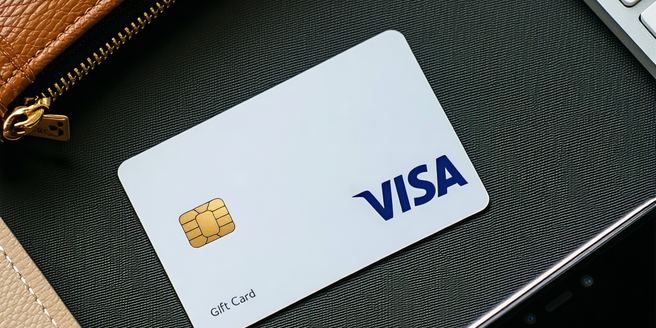
Gift cards come in numerous forms, each tailored to specific needs. Broadly, they fall into two categories: open-loop and closed-loop cards. Open-loop cards, like those offered by Visa or Mastercard, can be used almost anywhere these cards are accepted. They provide flexibility for the recipient but may come with activation fees. Closed-loop cards, on the other hand, are tied to specific retailers or restaurants. They can be a great gift for someone with a known preference for a particular brand or establishment. Additionally, there are digital gift cards that can be used online or in-app, offering convenience as they can be emailed directly to the recipient. Understanding these types helps in choosing the right card for the occasion, ensuring the recipient gets the most use out of their gift.
Where to Find Gift Card Claim Codes
When you receive a physical gift card, claim codes are typically printed on the back, hidden under a protective scratch-off layer. It’s essential to gently remove this covering to reveal the code. For e-gift cards, the claim code is found within the email or message. It’s important to securely store this email and code to prevent unauthorized use. In some cases, especially with app-specific or game platform cards, the claim code might be in a notification or provided in-app. Always ensure you are on a secure and official platform before attempting to claim any codes. Scammers may attempt to phish for these codes through fake websites. Thus, verifying the source of your card or email is crucial to protecting your funds.
Step-by-Step Guide to Redeem Online
Redeeming a gift card online is generally straightforward. Begin by logging into your account on the retailer’s website where the card is valid. Navigate to the gift card redemption section, usually found in the account settings or billing area. Enter the claim code into the designated input field; double-check to avoid errors. Complete the process by clicking redeem or apply. If done correctly, the balance should reflect immediately, either adding funds to your account or deducting the purchase amount from the total cost at checkout. Some cards require you to enter the claim code at checkout itself, so be prepared to input it when making a purchase. Retain any confirmation emails or messages post redemption for future reference.
Common Issues and How to Resolve Them
Several issues may arise when redeeming gift cards. One common problem is entering the code incorrectly; always double-check for typos. If the system rejects a claim code, ensure the card hasn’t been used previously. It’s possible the card wasn’t activated upon purchase, in which case contacting customer service with proof of purchase is advisable. For digital cards, check spam or junk email folders if you haven’t received your confirmation email. Sometimes delays in system processing might occur, so patience can be key. If there’s no resolution, reaching out to the retailer’s support team with detailed information often helps. Regular system or website updates may also temporarily block redemption functions, requiring users to try again later.
How to Check Your Gift Card Balance
To check your gift card balance, visit the retailer’s website and navigate to the gift card section. There, you’ll typically find an option to check your balance by entering the claim code and security details. Some cards have a phone number on the reverse side to call for balance inquiries; follow the automated prompts to hear your balance. For digital gift cards, the balance might be directly displayed within the account or digital wallet linked to the gift card. Regular balance checks are recommended, especially if the card is partially used. This prevents unfortunate surprises at checkout by ensuring sufficient funds. Remember, some gift cards may have expiration dates or fees that can affect the available balance if not used promptly.
Tips for Keeping Your Gift Cards Secure
Protecting your gift cards is imperative to avoid loss or theft. Store physical cards in a safe location, similar to cash or credit cards. For digital cards, avoid sharing screenshots or codes publicly or on unsecured platforms. Use password protection for email accounts where e-gifts are stored and keep track of any activation or purchase receipts. Always verify emails or messages claiming to be from official sources before providing any information. It’s a good practice to register your card on the retailer’s website if such an option exists, allowing you to track balance and transactions. Lastly, remain vigilant for signs of fraud, such as unexpected balance deductions, and report suspicious activity immediately to prevent further losses.
