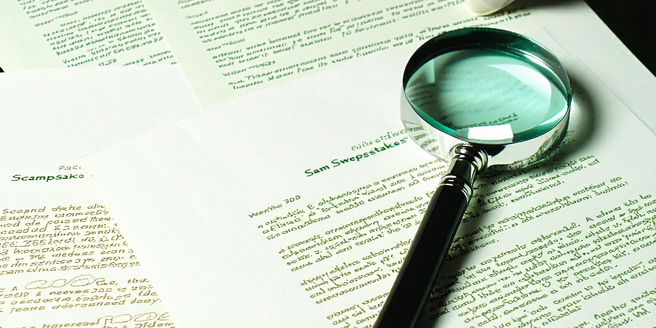
Recognizing Common Sweepstakes Scammer Tactics
Sweepstakes scammers often deploy clever tactics to lure unsuspecting participants. They typically send congratulatory emails or official-looking letters claiming you’ve won a prize. These communications are often riddled with spelling or grammatical errors, a red flag to watch out for. Scammers will emphasize urgency, insisting you act quickly to claim your reward, thereby reducing your time to evaluate the authenticity of the message. Additionally, they may request personal information or upfront fees to ensure the delivery of your prize. It is crucial to remain skeptical and scrutinize these messages closely. Genuine sweepstakes don’t require winners to pay any costs in advance. Thus, recognizing these strategies can be your best defense against falling victim to such scams. Always verify with the official source before taking any action.
Warning Signs: How to Spot a Fake Sweepstakes
Identifying the warning signs of a fake sweepstakes is key to protecting yourself from scams. One major indicator is unsolicited notifications of winning a contest you never entered. Legitimate sweepstakes require participants to enter actively, so an unexpected win should raise suspicion. Another red flag is pressure to provide personal information or payment to claim your prize. Legitimate contests never require processing fees or taxes upfront; if you encounter this demand, it’s likely a scam. Additionally, fraudulent sweepstakes may use deceitful URLs imitating legitimate organizations; always verify web addresses and contact information. Look out for communication riddled with spelling and grammatical errors, often a sign of a scam. Remember, if a sweepstakes seems too good to be true, it probably is. Exercise caution and diligence in these situations.
The Role of Social Media in Sweepstakes Scams
Social media platforms have become a popular hunting ground for sweepstakes scammers. Fraudulent pages frequently pop up, impersonating well-known companies, claiming to offer lucrative prizes. They often ask users to like, share, or comment on posts to win but are merely seeking to increase their reach and spread the deception. Scammers may also employ fake accounts that impersonate your friends or followers to earn your trust and appear legitimate. Messages from these imposters asking for personal information or directing you to click on suspicious links should be treated warily. The anonymity and vast reach of social media make it an attractive environment for scammers, who exploit it to mislead users. Therefore, it is vital to verify any contests’ legitimacy through official channels and remain cautious about the information you share online.
Steps to Take If You Suspect a Scam
If you suspect you’ve encountered a sweepstakes scam, taking immediate action is crucial. First, cease all communication with the supposed sweepstakes contact. Compile all details of the interaction, including emails, messages, and any requested information, as evidence. Do not provide any personal data or payment to the scammer. Report the incident to consumer protection agencies such as the Federal Trade Commission, which tracks and investigates fraudulent activities. Additionally, inform your friends and family about the potential scam to prevent others from falling victim. If financial information was divulged, notify your bank to safeguard your accounts. Finally, educate yourself about common scam tactics to fortify against future attempts. Staying alert and informed is your best defense in recognizing and thwarting fraudulent schemes.
Protecting Your Personal Information Online
Protecting your personal information online is essential to avoid becoming a victim of sweepstakes scams. Start by enhancing your online security with strong, unique passwords for each account, and enable two-factor authentication where possible. Carefully manage privacy settings on social media platforms to limit the details visible to the public. Avoid sharing sensitive information such as your address, phone number, or financial details on unsecured websites or with unverified contacts. Be wary of emails or messages requesting personal data, especially if they claim you’ve won a contest. Regularly update software and security features on all devices to fend off unauthorized access. Educating yourself about phishing tactics can also help in recognizing scams before they affect you. By staying vigilant and securing your digital footprint, you reduce the risk of falling prey to data exploitation.
