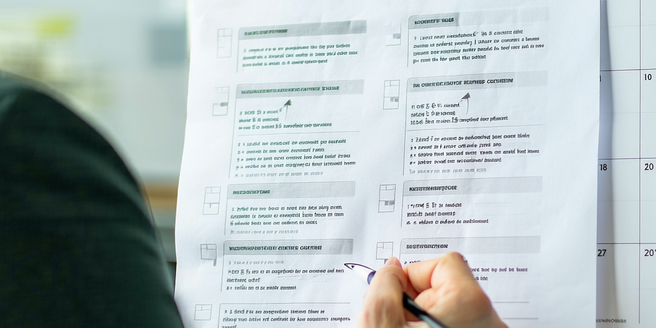
Understand the Contest Rules Thoroughly
Thoroughly understanding the contest rules is crucial to ensure compliance and optimize your chances of winning. Start by reading the rules carefully, paying close attention to any specific requirements, deadlines, and submission guidelines. Make a checklist of these key points to ensure you do not miss any crucial detail. Understanding the judging criteria is also vital; knowing what the judges are looking for allows you to tailor your entry accordingly, maximizing your score potential. If there are any unclear aspects or ambiguities in the rules, do not hesitate to reach out to the contest organizers for clarification. Keep in mind that non-compliance with even the smallest rule can disqualify you from the contest. Therefore, incorporating the rules into your strategy is a critical initial step toward success in any competition.
Research and Analyze Previous Winners
Studying previous winners gives you valuable insight into what works and what the judges favor. Start by examining the attributes and characteristics that made these entries stand out. Look for common themes, presentation styles, and the level of creativity demonstrated. Pay attention to any feedback provided by judges on winning entries to identify successful approaches. This knowledge helps you align your entry with proven success factors while avoiding pitfalls of other participants. Furthermore, understanding the evolution of winner attributes over time may highlight the changing tastes of judges and competition trends. Use this research to inspire your creativity and avoid replicating past entries directly. The goal is to learn from their success while enhancing your unique voice and ideas to make your submission compelling and memorable.
Enhance Your Skills and Knowledge Base
Boosting your skill set and expanding your knowledge base are essential steps in contest preparation. Identify the key skills a contest demands and assess your proficiency in each area. Consider taking relevant courses or workshops to sharpen your capabilities. Engaging with communities or forums related to the contest’s subject can provide valuable insights and updates in the field. Practice consistently to build confidence and efficiency. Keeping abreast of industry trends and innovations will also differentiate your submissions from others. Embrace constructive feedback from peers or mentors to refine your expertise further. This continuous learning ensures your skills are at their peak when you participate. An enhanced skill set not only boosts the quality of your entry but also enhances your confidence, enabling you to present your work more compellingly.
Develop a Strategy Tailored to the Contest
Creating a strategy specifically designed for the contest can greatly increase your likelihood of winning. Begin by aligning your strengths with the competition requirements. Develop a timeline that includes ample time for research, creation, revision, and rest. Break the project into manageable tasks to avoid becoming overwhelmed. Consider the audience and the judges’ preferences by reviewing the judging criteria again. Tailor your storytelling, design, or any creative elements to resonate with the judges. A thorough strategy should also include contingency plans to handle unforeseen challenges without compromising quality. By maintaining a clear focus and organized approach, you position yourself to tackle each phase of the contest methodically, reducing stress and ensuring high-quality output. Your strategic preparation uniquely sets your entry apart, demonstrating professionalism and dedication.
Prepare and Practice Diligently
Diligent preparation and dedicated practice are critical components of winning any contest. Familiarize yourself with the contest’s requirements and refine your skills accordingly. Set regular practice schedules to hone your expertise and increase efficiency. By simulating the contest environment, you accustom yourself to potential pressures and constraints. This foresight allows you to identify and minimize weaknesses ahead of time. Regular review and iteration of your work enable continual improvement and creativity. Collaborate with peers or mentors to gain diverse perspectives and constructive criticism. Stay motivated by setting short-term goals leading up to the contest, celebrating milestones along the way. Consistent practice not only enhances your skill set but also instills confidence, ensuring you feel fully prepared when it’s time to submit your entry.
Submit with Confidence and Learn from Feedback
When it comes time to submit, do so confidently, knowing you’ve prepared thoroughly. Present your work clearly, following all submission guidelines meticulously. Consider the visual and structural presentation to make a positive impact at first glance. Trust in the skills and effort you’ve invested. After submission, seek feedback from peers, judges, or through contest feedback if provided. Analyze the feedback critically, identifying areas for future improvement. Accept both praise and criticism gracefully as opportunities for growth. Avoid dwelling on any disappointments, focusing instead on how this experience enriches your journey. Each contest, win or lose, is a stepping stone towards honing your craft and achieving your goals. By learning from feedback, you continually improve, preparing you for future successes and reinforcing confidence in your capabilities.
