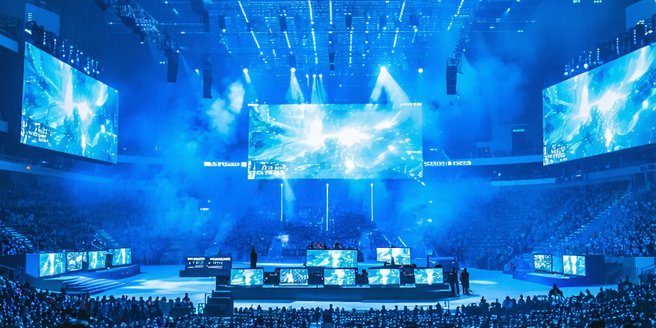
Understanding the Gamer Demographic
Understanding the gamer demographic is crucial for targeting the right audience. Gamers are a diverse group that spans various ages, backgrounds, and gaming preferences. They are not just teenagers, but also adults who engage with both casual and competitive gaming. To effectively promote to this audience, it’s important to understand their motivations. Many seek entertainment, competition, or social interaction. They value authenticity and relatable content. Marketers should consider these aspects when crafting promotional strategies. Researching player habits and preferences can provide insights that inform marketing decisions, helping to reach different gamer segments, whether they’re console, PC, or mobile players. Understanding this demographic enables the creation of personalized content that resonates well, encouraging gamers to engage with promotions that feel tailored to their unique interests.
Leveraging Social Media Platforms
Social media platforms are pivotal in reaching gamers effectively. Platforms like Twitch, YouTube, and Discord have broad audiences engaged with gaming content daily. Gamers frequently visit these platforms for streams, tutorials, and game-related discussions. Leveraging these channels for promotions involves creating engaging content that sparks interest. This means collaborating with influencers, running ad campaigns, or creating interactive content that encourages sharing. Tailoring content to match the platform’s culture is essential—for instance, using memes or short videos for TikTok. Utilizing hashtags and targeted advertising can further enhance reach by engaging users interested in gaming. By understanding each platform’s strengths, marketers can devise strategies that maximize visibility and connect with gamers in their preferred environments, ensuring promotional content reaches the right audience.
Collaborations with Influencers
Collaborating with influencers is an impactful strategy for engaging gamers. Influencers possess the trust and loyalty of their audiences, making their endorsements highly effective. To make the most of influencer collaborations, brands should focus on authenticity. The key is to work with influencers who resonate with the brand’s values and whose followers match the target demographic. This alignment ensures that promotions feel genuine and are more likely to drive engagement. Whether it’s through sponsored streams, unboxing videos, or exclusive content reveals, influencers can amplify a promotion’s reach and motivate their audiences. Additionally, co-created content that’s entertaining and provides value to the influencer’s audience can enhance brand perception. Collaborations also offer opportunities for cross-promotion, elevating the brand’s presence across various platforms.
Creating Limited-Time Offers
Creating limited-time offers is an effective way to generate excitement and rapid engagement from the gaming community. Such offers tap into the fear of missing out, prompting gamers to act quickly to take advantage of the promotion. Marketers can implement this by offering discounts, in-game items, or exclusive digital content available only for a short period. It’s important to clearly communicate the offer’s terms and timeframe to ensure transparency and build trust. Utilizing countdown timers on platforms or email campaigns can build anticipation and remind gamers of the limited-time nature. This strategy not only incentivizes quick action but also creates a buzz that can spread virally, drawing in more participants and increasing overall engagement. Once the scarcity principle is applied, gamers are more likely to prioritize these offers.
Designing Engaging Competitions
Designing engaging competitions can captivate gamers and provide an avenue for showcasing skills. These competitions can range from casual gaming challenges to high-stakes tournaments, catering to a wide array of gamer types. To attract participation, it’s essential to offer appealing prizes, whether physical merchandise, in-game credits, or exclusive experiences. Multiplayer or single-player events can be designed to encourage teamwork or individual achievement, appealing to diverse preferences. Promoting these events through social media, email campaigns, and partnerships with gaming communities increases visibility. Moreover, incorporating leaderboards or rewards systems can fuel healthy competition and motivate players to engage more. Competitions also provide valuable data on gamer behavior, helping brands refine future campaigns and stay aligned with the audience’s evolving interests.
Personalizing Promotions with Data
Personalizing promotions using data insights can significantly enhance gamer engagement. With the increasing ability to gather data on gamer preferences and behaviors, brands can tailor promotions to individual needs. Personalized marketing involves using player data to inform the offer of customized content, such as personalized emails or in-game recommendations. This data-driven approach allows brands to not only gauge what resonates with players but also to optimize promotional timing and channels. Privacy considerations are paramount; hence, it’s imperative for brands to handle data responsibly and transparently. Utilizing analytics tools can help segment audiences effectively, ensuring gamers receive promotions that are not intrusive but instead enhance their gaming experience. Personalization fosters a sense of connection, making promotions feel relevant and increasing the likelihood of conversion.
