Understanding the Judging Criteria
In culinary competitions, understanding the judging criteria is essential. Judges typically evaluate on several aspects: taste, creativity, presentation, technique, and adherence to theme. Each element carries specific weight, and knowing how these contribute to the overall score can help chefs focus their efforts strategically. Familiarize yourself with the scoring system, as it can vary between competitions. Some may prioritize innovation while others emphasize flavor and classic techniques. Engaging with former judges or competitors can provide insights into what is particularly valued in a given event. By tailoring your approach to meet these expectations, you can enhance your competitive edge and craft dishes that stand out not only for excellence but also for alignment with the judges’ perspectives.
Essential Skills for Competitive Chefs
Being successful in culinary competitions requires honing a variety of essential skills. Firstly, a strong grasp of fundamental cooking techniques is crucial, as it forms the backbone of exceptional dish preparation. Secondly, creativity is equally vital, enabling chefs to introduce unique flavors and presentations that captivate judges. Time management is another key skill; the ability to balance speed with accuracy ensures all cooking stages are perfectly timed. Additionally, adaptability allows chefs to handle any unexpected challenges with composure and resourcefulness. Effective communication within a team, if applicable, is also important to synchronize tasks and ensure flawless execution. Finally, a thorough understanding of ingredients, including their seasonality and provenance, can add thoughtful depth to your dishes.
Menu Planning and Execution Techniques
In competitive cooking, meticulous menu planning and flawless execution are paramount. Begin by considering the theme and desired outcomes of the competition, crafting a menu that highlights both technical skill and creative flair. Balance is critical; ensure each course flows harmoniously while showcasing diverse textures and flavors. Sourcing high-quality, seasonal ingredients can elevate your dishes, impressing judges with depth and authenticity. Practice is imperative to refine timing and technique, guaranteeing each element of your menu is executed precisely. Simulating competition conditions in rehearsals can help in anticipating challenges and streamlining processes. Remember, clarity in execution is as significant as creativity in menu conception, as both contribute to a compelling culinary narrative and overall success.
Time Management and Efficiency in the Kitchen
Mastering time management in the kitchen is a cornerstone of culinary competition success. Effective time management begins with thorough preparation, organizing ingredients and tools for maximum accessibility. Developing a detailed timeline for each dish or course, broken down into specific tasks, can help maintain focus and pace throughout the event. Multitasking efficiently—like starting a sauce while another component is cooking—maximizes productivity. Keep an eye on the clock but remain adaptable to unforeseen changes. Regular practice under timed conditions enhances speed without sacrificing quality. Implementing these strategies not only boosts efficiency but also minimizes stress, allowing chefs to concentrate on perfecting flavors and presentations under pressure. With time as your ally, you’ll execute a well-orchestrated culinary performance.
Presentation and Plating for Maximum Impact
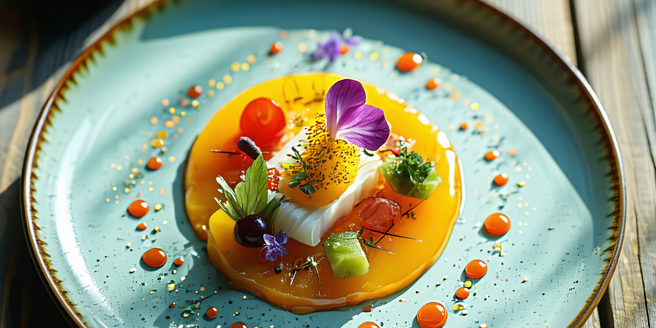
In competitive culinary arts, presentation and plating are your opportunities to make a lasting first impression. The arrangement of food should tell a story, guiding the judges’ eyes through the composition seamlessly. Balance is essential in both color and texture, ensuring each element of the dish is distinct yet harmonious. Invest time in considering how the choice of plate can complement and enhance your culinary creation. Height and layering techniques can add drama and sophistication, drawing attention and enticing the judges. Precision in placement highlights attention to detail and craftsmanship. Remember, the visual appeal should align with the flavors and aroma, providing a cohesive experience that impresses and engages. A beautifully presented dish is a testament to the chef’s skill and creativity.
Dealing with Pressure and Staying Focused
Competing in culinary contests demands resilience under pressure and unwavering focus. Mental preparation is just as crucial as physical readiness; envision a successful performance while practicing deep-breathing exercises to maintain calm. Breaking the competition into manageable parts can help prevent feeling overwhelmed, ensuring focus on one task at a time. Keeping organized workspaces minimizes potential sources of stress and distractions. Self-belief is equally important; confidence in your skills and preparation fosters a positive mindset. Additionally, learning to channel nervous energy constructively can transform anxiety into motivation. By maintaining equanimity amidst the chaos, chefs can effectively push their boundaries and deliver standout performances under even the most intense conditions. Harnessing these techniques builds not only competition success but enduring professional growth.
