Understanding the Basics of Referral Programs
Referral programs are marketing strategies designed to encourage existing customers to recommend products or services to new customers. These programs typically reward participants with incentives like discounts, cashback, or gift cards when someone they refer makes a purchase. Understanding the basics involves recognizing the mutual benefits for both businesses and customers. Companies can reduce marketing costs and tap into a trusted network through word-of-mouth promotion, while customers gain rewards for sharing products they already appreciate. In essence, referral programs leverage the loyalty and satisfaction of current customers, turning them into brand advocates. By providing the referrer and the new customer with mutual benefits, referral programs create a win-win situation that can contribute to long-term business growth.
How to Identify the Best Referral Programs for Your Needs
Finding the right referral program involves looking at the rewards, terms, and the product’s relevance to your audience. Start by considering the type of reward offered—monetary bonuses, discounts, or exclusive offers. Each has different appeal depending on the target audience. Also, examine the program’s terms and conditions. You need to know how and when rewards are dispensed and if there are any restrictions. Another key consideration is whether the product or service is something you’re passionate about or regularly use, as authenticity resonates better with potential referrals. Lastly, evaluate the ease of use. A simple process for referring others and tracking rewards ensures that you won’t face additional complications, making participation more attractive.
Strategic Tips for Maximizing Referral Benefits
To get the most out of referral programs, start by fully understanding the program’s rules and incentives. Familiarize yourself with the referral process, ensuring that you know how to effectively encourage others to join or purchase. Tailor your approach by sharing your unique experiences and enthusiasm for the product or service. This personal touch often resonates more with prospective customers. Another strategy involves leveraging multiple platforms, such as social media, email, or blogs, to spread your referral links widely. Keep communication consistent and clear, highlighting the benefits to both the referrer and the new customer. Moreover, follow up with interested referrals, answering any questions or offering guidance through the purchasing process to enhance conversion rates.
Common Mistakes to Avoid in Referral Programs
One common mistake is not fully understanding the terms and conditions of the referral program, leading to assumptions that result in disqualification or missed rewards. It is crucial to thoroughly read the guidelines to know exactly how the program operates. To maximize success, make sure to communicate clearly and transparently with those you are referring. Over-promising or exaggerating the benefits to potential referred clients is another pitfall that can lead to dissatisfaction and loss of credibility. Avoid spamming potential users with referral links too frequently, as this can be perceived as intrusive and diminish your reputation. Additionally, neglecting to track referrals accurately can result in missed opportunities and rewards. Using available tools and analytics helps maintain oversight and ensures that each referral is credited appropriately.
Measuring the Success of Your Referral Efforts
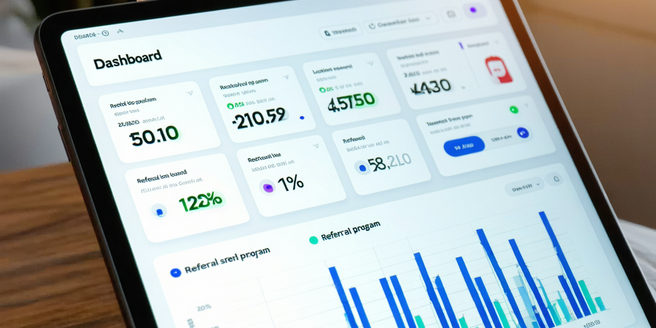
To effectively measure the success of your referral program, use key performance indicators such as the number of referrals made, conversion rates of referred customers, and the overall return on investment. Analyze the quality of leads generated through referrals, assessing whether they match the desired customer profile and lead to long-term engagement. Customer retention rate can serve as an important metric, indicating how well your referral program attracts loyal customers. Additionally, consider gathering feedback from participants to gain insight into areas for improvement. Continuous monitoring and analysis will help you refine strategies, optimize rewards, and ensure that the referral program remains both beneficial and sustainable over time. By setting clear, measurable goals, you can make informed decisions to enhance your program’s efficacy.
