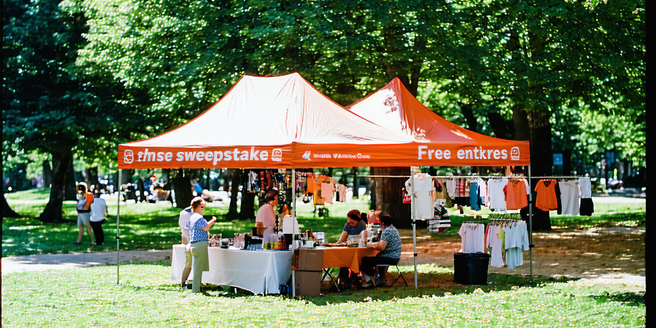
Defining Sweepstakes: What You Need to Know
Sweepstakes are promotional tools used by businesses to engage potential customers through chance-based entries. Unlike lotteries, sweepstakes do not require participants to pay or purchase anything to enter. The key characteristic is that winners are selected randomly, ensuring fairness and impartiality. Businesses use sweepstakes to build brand awareness, attract new customers, and increase engagement. When designing a sweepstake, it’s crucial to clearly define entry methods, eligibility criteria, and prize details to avoid any legal complications. Transparency fosters trust, and understanding consumer expectations can lead to a successful campaign. It’s essential to distinguish sweepstakes from other promotions like contests or lotteries to comply with regulations.
Legal Requirements for Running a Sweepstakes
When planning a sweepstakes, understanding the legal requirements is crucial to avoid penalties. Firstly, compliance with both federal and state laws is necessary, as these govern the operation of sweepstakes. Businesses must ensure that no purchase is necessary for entry to prevent it from being classified as a lottery, which would be subject to different regulations. Additionally, having clearly defined terms and conditions is vital to protect both the organizer and participants. These should cover all aspects of the sweepstake, including entry methods, start and end dates, and eligibility criteria. Businesses should also be aware of privacy laws regarding participant information. Seeking legal advice can be beneficial in ensuring compliance and avoiding potential legal pitfalls.
The Importance of Official Rules and Guidelines
Official rules serve as the backbone of any sweepstakes, providing a framework that governs the promotion from start to finish. They are essential for establishing the parameters of the promotion and setting expectations for both the organizers and the participants. Clearly outlined rules help mitigate legal risks by ensuring compliance with relevant laws and regulations. These rules should cover critical aspects such as eligibility, entry methods, and prize details, ensuring transparency. Furthermore, having unambiguous rules helps prevent misunderstandings or disputes, fostering trust among participants. It’s important to make the rules easily accessible to all entrants and ensure they are written in a clear, straightforward manner to avoid confusion.
Distinguishing Sweepstakes from Lotteries and Contests
Understanding the differences between sweepstakes, lotteries, and contests is crucial for compliance and successful execution. Sweepstakes are chance-based promotions with winners chosen randomly, while contests require some level of skill, such as writing or art, where winners are selected based on merit. Lotteries, on the other hand, involve prize, chance, and consideration; they are typically regulated by government entities. Unlike lotteries, sweepstakes should not require a purchase or payment to enter, which distinguishes them legally and operationally. It’s important for businesses to clearly communicate the nature of their promotion to participants, as misclassification can lead to legal complications and undermine the integrity of the promotion.
Promotional Strategies for Sweepstakes Success
Effective promotion is key to a successful sweepstakes, ensuring maximum participation and engagement. To achieve this, businesses should employ a mix of marketing channels, leveraging social media, email campaigns, and partnerships to reach a broader audience. Creating a sense of urgency through limited-time offers can drive faster participation. Clear communication about the prizes, how to enter, and the benefits of participation should be emphasized. Engaging visuals and compelling calls-to-action play a crucial role in attracting attention. Additionally, collaborating with influencers or partnering with other brands can amplify reach. Lastly, tracking the performance of the sweepstakes allows for real-time adjustments and optimizing future campaigns for better results.
Common Mistakes to Avoid in Sweepstakes Planning
When executing a sweepstake, certain common pitfalls can undermine its success. One frequent mistake is neglecting the legal requirements, which can lead to costly penalties and damage to brand reputation. It’s vital to conduct thorough research and ensure the promotion complies with all regulations. Another error is unclear or overly complex rules that can confuse participants and deter entry. This underscores the importance of transparent and straightforward terms and conditions. Failing to promote the sweepstakes adequately can also result in low participation. Effective marketing strategies are essential to maximize reach. Additionally, not setting a realistic budget can lead to financial strain, so careful planning and resource allocation are crucial for smooth execution.
